


Can people with diabetes drink bitter buckwheat tea?

Diabetes, also known as a “disease of affluence,” imposes numerous dietary restrictions. Some people claim that tartary buckwheat tea is highly effective for lowering blood glucose levels. So, can individuals with diabetes drink tartary buckwheat tea?
Can individuals with diabetes drink tartary buckwheat tea?
Yes, individuals with diabetes may consume tartary buckwheat tea. However, tartary buckwheat tea does not actively lower blood glucose nor does it raise blood glucose levels; therefore, its consumption has minimal impact on blood glucose control. Some diabetic patients may observe a decline in their blood glucose levels after drinking tartary buckwheat tea and mistakenly conclude that the tea itself lowers blood glucose—a misconception arising from erroneous correlation and interpretation.
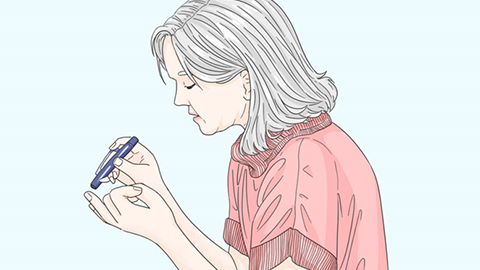
The observed reduction in blood glucose among some patients following tartary buckwheat tea consumption may be attributable to an unintentional decrease in daily food intake—and thus reduced total caloric intake—rather than any direct pharmacological effect of the tea. Therefore, although diabetic patients may safely drink tartary buckwheat tea, they must never rely on it as a treatment for diabetes, nor discontinue their prescribed glucose-lowering regimen. Doing so could lead to significant hyperglycemia.

Tea contains various bioactive compounds, including tea polysaccharides, tea polyphenols, and tea pigments. Among these, tea polysaccharides exhibit modest blood glucose–lowering effects and may help alleviate the classic “three more and one less” symptoms (polydipsia, polyphagia, polyuria, and weight loss) associated with diabetes, making tea a suitable health-promoting beverage. We hope this information proves helpful to you.


