


Can people with high blood sugar eat potatoes?

Some patients have completely avoided eating potatoes since being diagnosed with diabetes. Others mistakenly believe that potatoes—like radishes and leafy greens—are just ordinary vegetables, and thus assume it’s harmless to eat them in large quantities. So, can people with high blood sugar eat potatoes?
Can people with high blood sugar eat potatoes?
People with high blood sugar may consume potatoes in moderation. Potatoes are a nutritious, affordable food source rich in vitamins, dietary fiber, calcium, phosphorus, zinc, selenium, and other minerals. Per 100 grams, potatoes provide 81 kcal of energy, 17.2 g of carbohydrates, 2 g of protein, and only 0.2 g of fat. Nutritionally speaking, potatoes should be classified as a staple food rather than a vegetable. As a staple, potatoes contain fewer calories and carbohydrates than rice or refined wheat flour—making them a more favorable option for individuals managing high blood sugar.
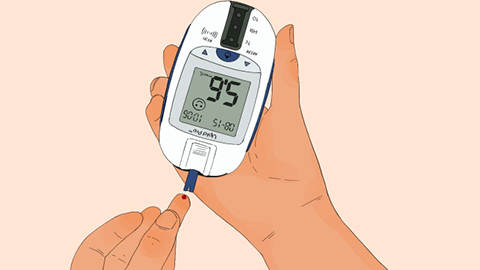
Regular intake of dietary fiber helps regulate blood glucose levels and slows postprandial glucose elevation. To this end, we recommend consuming ample fruits and vegetables within recommended daily limits—but avoid fruit juices, as commercially available juices often contain substantial added sugars to enhance sweetness. Additionally, consider replacing white rice with whole-grain rice or brown rice in daily meals.

However, individuals with high blood sugar should pay close attention to how potatoes are prepared—avoid frying or pan-frying altogether. Also, portion control is essential: excessive potato consumption—even when prepared healthily—can still elevate blood glucose levels. We hope this information proves helpful.


