


Can people with high blood sugar eat peanuts?
May 07, 2022
Source: Cainiu Health

Dr. Pan Yongyuan
Introduction
Blood glucose levels are elevated; therefore, I recommend avoiding peanuts. This is because peanuts are high in fat, and fat has a greater blood glucose–raising effect per unit weight than carbohydrates or proteins. Additionally, peanuts are small in size and do not readily induce satiety, leading patients to unconsciously consume excessive amounts. The pronounced blood glucose–elevating effect of dietary fat further exacerbates hyperglycemia. For patients with diabetes whose blood glucose is well-controlled, moderate peanut consumption may be appropriate.
Peanuts are both a traditional Chinese medicine and a popular food. They are rich in plant sterols and antioxidants, and possess properties that help dispel cold-dampness and regulate endocrine function. So, can people with high blood glucose consume peanuts?
Can people with high blood glucose eat peanuts?
If your blood glucose is elevated, I recommend avoiding peanuts. This is because peanuts are high in fat; gram for gram, dietary fat exerts a greater glycemic effect than carbohydrates or protein. Additionally, peanuts are small in size and do not readily induce satiety, making it easy for patients to inadvertently overconsume them. The high fat content further contributes significantly to postprandial blood glucose elevation, potentially worsening hyperglycemia. Diabetic patients whose blood glucose is well-controlled may consume peanuts in moderation—but portion control is essential, as excessive intake can still raise blood glucose levels. Generally, diabetic patients should limit their peanut intake to less than one-quarter of the amount typically consumed by healthy individuals.
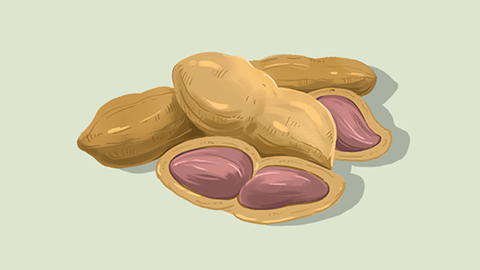
Moreover, commercially available fried peanuts often contain higher fat content and provoke a more pronounced postprandial blood glucose rise compared to raw or boiled peanuts. Diabetic patients should generally avoid fried foods but may consume fresh (e.g., raw or boiled) peanuts in moderation. To prevent excessive fluctuations in blood glucose after eating peanuts—and to understand how peanuts specifically affect your own glycemic response—regular blood glucose monitoring is advised.
Diabetes is a highly prevalent condition today; poor glycemic control increases the risk of numerous complications, including diabetic nephropathy, diabetic peripheral neuropathy, and diabetic retinopathy. Strict blood glucose management is therefore critical to prevent such complications. We hope this information has been helpful to you!


