


Can people with high blood sugar eat sweet potatoes?
May 07, 2022
Source: Cainiu Health

Dr. Pan Yongyuan
Introduction
Patients with hyperglycemia can consume sweet potatoes. There are several reasons for this:
First, sweet potatoes help alleviate constipation. They are rich in dietary fiber, which, upon entering the gastrointestinal tract of diabetic patients, promotes bowel movement and facilitates flatus and defecation.
Second, sweet potatoes contain substantial amounts of carbohydrates; therefore, their caloric content must be accounted for within the carbohydrate category of the patient’s meal plan. For instance, older (mature) sweet potatoes and white-fleshed sweet potatoes are relatively preferable options.
Sweet potatoes are a commonly consumed food in daily life, rich in protein, starch, pectin, cellulose, amino acids, vitamins, and various minerals. So, can individuals with high blood glucose eat sweet potatoes?
Can individuals with high blood glucose eat sweet potatoes?
Yes, individuals with hyperglycemia may consume sweet potatoes. There are several reasons for this: Relief of constipation: Sweet potatoes contain abundant dietary fiber, which helps improve constipation, promote intestinal gas expulsion, and facilitate bowel movements in people with diabetes. Nutrient supplementation: Sweet potatoes provide vitamins and minerals not typically found in staple grains, thereby helping to supplement essential nutrients. Minimal impact on blood glucose: When portion sizes are appropriately controlled, sweet potatoes generally have little effect on blood glucose levels. Although sweet potatoes contain substantial carbohydrates, their caloric content must be accounted for within the carbohydrate category of one’s diet. For individuals with diabetes, 50–60% of total daily calories should come from carbohydrates; thus, moderate consumption of sweet potatoes usually has negligible impact.
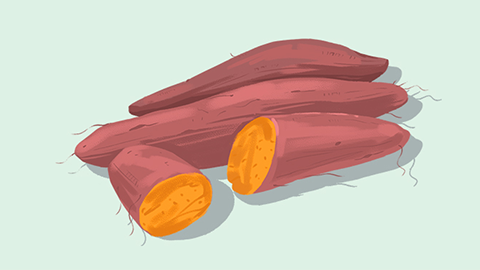
When selecting sweet potatoes, please consider the following points: Flavor considerations: If a sweet potato tastes notably sweet, intake should be reduced or avoided altogether. Opt instead for less sweet varieties—such as old (aged) sweet potatoes or white-fleshed sweet potatoes, which are relatively preferable. Some red-fleshed varieties contain high sugar content; therefore, portion control is essential when consuming them. Other considerations: When eating sweet potatoes, reduce the portion size of other staple foods accordingly.

Sweet potatoes also contain oligosaccharides. In addition to potentially raising blood glucose, consuming sweet potatoes may cause bloating, particularly in individuals with impaired gastrointestinal digestion. People with elevated blood glucose should prioritize low-glycemic-index vegetables and fruits and engage in appropriate physical activity approximately two hours after meals. We hope this article has been helpful. Wishing you a joyful life and good health!


