


Can traditional Chinese medicine (TCM) be used to regulate high blood sugar?

Traditional Chinese Medicine (TCM) body regulation is guided by TCM theory and involves beneficial interventions aimed at improving overall health. Primary methods include acupuncture and dietary therapy—using food-based approaches to enhance bodily health. So, can herbal medicine be used to regulate high blood sugar?
Can herbal medicine be used to regulate high blood sugar?
Individuals with elevated blood glucose levels may appropriately use herbal medicine as an adjunctive therapy. However, the efficacy of herbal medicine in lowering blood glucose is limited, and there is no definitive scientific evidence confirming precisely how much blood glucose reduction can be achieved with a given dosage or course of herbal treatment. Due to insufficient clinical evidence supporting the use of herbal medicine specifically for glycemic control, it should only be considered a complementary therapy—not a primary treatment—for managing blood sugar.
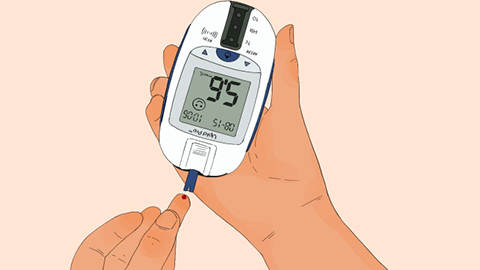
The mainstream treatment strategy for hyperglycemia remains lifestyle modification—including dietary control and appropriate physical activity—alongside regular blood glucose monitoring and pharmacological intervention, such as oral hypoglycemic agents or insulin therapy. While herbal medicine may not significantly lower blood glucose, it might help alleviate certain clinical symptoms commonly experienced by diabetic patients, such as fatigue.
Typical manifestations of hyperglycemia include increased appetite, frequent hunger, generalized weakness or fatigue, excessive thirst (polydipsia), and increased urination (polyuria). Individuals experiencing these symptoms should promptly seek medical evaluation. If laboratory tests confirm elevated blood glucose levels, treatment with antihyperglycemic medications—as prescribed by a physician—should be initiated without delay. Additional symptoms that some patients may experience include tachycardia, heightened irritability, polydipsia, positive urine glucose test results, nausea, vomiting, abdominal distension or pain, and indigestion.
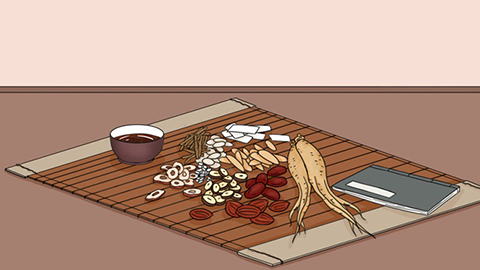
Patients with hyperglycemia may receive treatment under medical supervision using either oral hypoglycemic agents or insulin therapy. We hope this article has been helpful to you!


