


Can drinking pigeon soup cause “internal heat” (a traditional Chinese medicine concept)?

Under normal circumstances, pigeon soup does not directly cause “internal heat” (a traditional Chinese medicine concept referring to symptoms such as sore throat, acne, or constipation), but excessive consumption may lead to such symptoms. The analysis is as follows:
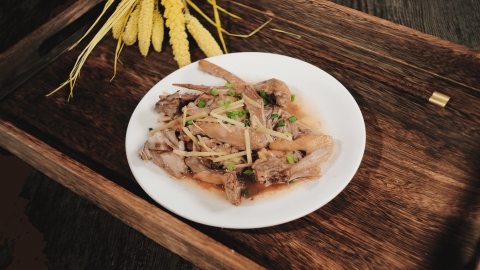
Pigeon soup is a highly nutritious food, rich in protein, vitamins, and trace elements. According to Traditional Chinese Medicine (TCM) theory, pigeon meat is generally considered sweet and salty in flavor, with a neutral-to-slightly-warm nature. When consumed in moderation, pigeon soup helps replenish nutrients and strengthen physical constitution without inducing “internal heat.”
Although pigeon soup itself does not directly cause “internal heat,” overconsumption may lead to nutritional excess, increased gastrointestinal burden, and impaired digestive function—potentially triggering symptoms associated with “internal heat.” This is because pigeon soup is relatively high in calories and protein; excessive intake may promote accumulation of damp-heat within the body.
To prevent “internal heat,” it is advisable to consume pigeon soup in moderation. Avoid overeating to reduce the risk of gastrointestinal strain and nutritional excess. When preparing pigeon soup, consider adding ingredients with heat-clearing and detoxifying properties—such as mung beans or chrysanthemum flowers—to balance its warming nature.


