


Can heatstroke cause diarrhea?
May 08, 2022
Source: Cainiu Health

Dr. Pan Yongyuan
Introduction
Heatstroke can cause diarrhea. Heatstroke is a systemic emergency that can become life-threatening within a short period. In heatstroke, bodily systems are disrupted—thermoregulation and the central nervous system become impaired, and electrolyte balance is lost—leading to generalized discomfort affecting the head, stomach, limbs, and other areas. Thus, diarrhea may occur in heatstroke. Chronic heatstroke often begins with gastrointestinal symptoms.
Heatstroke is a condition caused by hot weather and high ambient temperatures. It causes significant discomfort and, in severe cases, can threaten the patient’s life. Therefore, once heatstroke occurs, those nearby must promptly transport the affected individual to a hospital for medical treatment. Many people wonder whether heatstroke can cause diarrhea. So—does heatstroke cause diarrhea?
Does heatstroke cause diarrhea?
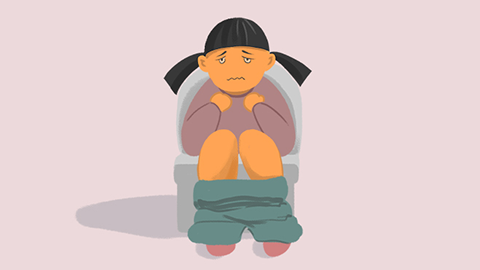
Yes, heatstroke can cause diarrhea. Heatstroke is a systemic, life-threatening emergency that may rapidly become fatal if not treated promptly. During heatstroke, multiple body systems are disrupted: thermoregulation fails, the central nervous system becomes impaired, and electrolyte balance is disturbed—leading to generalized symptoms affecting the head, stomach, and limbs. Consequently, diarrhea may occur. In chronic or subacute heatstroke, gastrointestinal symptoms—including diarrhea—often appear first. If diarrhea persists for an extended period, it may indicate post-heatstroke exhaustion and consequent immunosuppression, impairing the body’s ability to resolve the diarrhea.
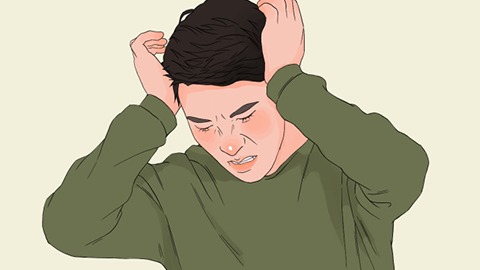
Treatment: When experiencing diarrhea due to heatstroke, avoid overeating. Excessive food intake increases the digestive burden; most ingested food remains undigested and unabsorbed, instead being expelled—worsening diarrhea. Instead, consume mung bean soup or mung bean congee, which help soothe the stomach and restore normal digestive function. In some cases, intravenous fluid therapy may be necessary to reduce inflammation and correct dehydration and electrolyte imbalances.
In summer, days are long and nights short, making fatigue more likely. Adequate sleep helps relax both the brain and bodily systems—enhancing work and study performance while also serving as an effective preventive measure against heatstroke. We hope this information has been helpful! Wishing you good health and a joyful life!


