


Can people with high blood sugar eat grapefruit?

Patients with hyperglycemia should also maintain a positive mental attitude and avoid assuming that elevated blood glucose automatically indicates diabetes. Instead, they should proactively manage their blood glucose levels. So, can individuals with high blood glucose eat pomelo?
Can individuals with high blood glucose eat pomelo?
Yes—individuals with high blood glucose may consume pomelo in moderation. Pomelo is a low-glycemic-index fruit rich in vitamins, dietary fiber, and trace elements, which help prevent cardiovascular and cerebrovascular diseases. It also enhances physical fitness, promotes fat metabolism, facilitates calcium and iron absorption, improves skin health, and helps tighten the skin. Therefore, people with diabetes may include pomelo in their diet—but only when blood glucose is well-controlled and consumed in small amounts between meals. Excessive intake may cause blood glucose to rise.
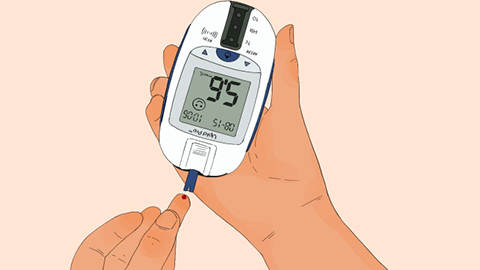
When blood glucose is well-controlled—i.e., fasting levels of 5–7 mmol/L and postprandial (2-hour) levels of 8–9 mmol/L—HbA1c typically remains below 7%, and fruit consumption remains permissible. Pomelo’s sugar content is not among the highest among fruits, making it suitable for regular consumption. Moreover, pomelo provides beneficial vitamin C and dietary fiber, contributing positively to overall health. Generally, patients with well-controlled diabetes may safely consume pomelo and tangerines, though portion sizes should remain modest.

Since blood glucose monitoring is essential for effective diabetes management—particularly 2-hour postprandial readings—and is more accurate than urine glucose testing, it is strongly recommended. Urine glucose testing is subject to numerous confounding factors and yields relatively large measurement errors; it is neither as accurate as blood glucose testing nor useful for detecting hypoglycemia. We hope this information proves helpful to you.


