


Can people with high blood sugar eat tomatoes?
May 09, 2022
Source: Cainiu Health

Dr. Pan Yongyuan
Introduction
People with high blood sugar can eat tomatoes, as they are low in calories and contain only a small amount of starch, consisting primarily of water, vitamins, and minerals. Thus, they provide relatively little energy, and their consumption has minimal impact on the patient’s overall energy intake—and consequently, only a minor effect on blood glucose levels. However, it is not consistent with dietary therapy principles for people with diabetes to consume tomatoes while omitting carbohydrates and protein entirely.
In daily life, there are many ways to control blood glucose levels, and pharmacological treatment is the most common approach for managing hyperglycemia. Of course, in addition to medication, maintaining a balanced diet and engaging in regular physical activity are also crucial.
Can people with high blood glucose eat tomatoes?
Yes, individuals with elevated blood glucose can consume tomatoes. Tomatoes are low in calories and contain only trace amounts of starch; they consist primarily of water, vitamins, and minerals. Consequently, they provide minimal energy, and their consumption has little impact on overall caloric intake or blood glucose levels. However, it is inappropriate—and contrary to dietary therapy principles—for people with diabetes to rely solely on tomatoes while avoiding carbohydrates, fats, and proteins.
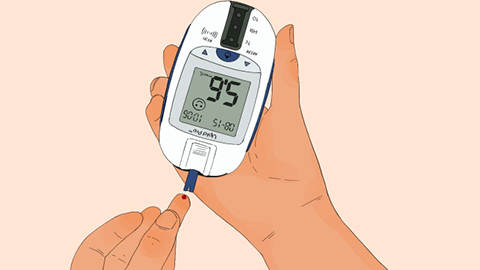
Dietary management for individuals with diabetes requires consistent daily energy intake within an appropriate range. It is essential to avoid over-reliance on any single food item and to prevent selective or restrictive eating habits. Carbohydrates, proteins, and fats supply the body with essential energy needed to sustain metabolic functions. In contrast, tomatoes contribute negligible energy. Relying exclusively on tomatoes may lead to symptoms such as fatigue and hunger. Some patients mistakenly believe that consuming tomatoes actively lowers blood glucose—this is a misconception.

Patients may engage in moderate-intensity physical exercise, tailored to their individual capabilities. Such activity not only aids in glycemic control but also helps improve insulin resistance. We hope this information proves helpful to you.


