


Can people with high blood sugar eat white radish?

Individuals found to have elevated blood glucose levels should adjust their diet according to their usual eating habits. If one habitually consumes sweet foods, it is essential to actively correct such unhealthy dietary patterns. Opting for low-sugar foods whenever possible can help alleviate hyperglycemic symptoms and prevent further elevation of blood glucose—thus reducing the risk of developing diabetes. So, can individuals with high blood glucose eat white radish?
Can individuals with high blood glucose eat white radish?
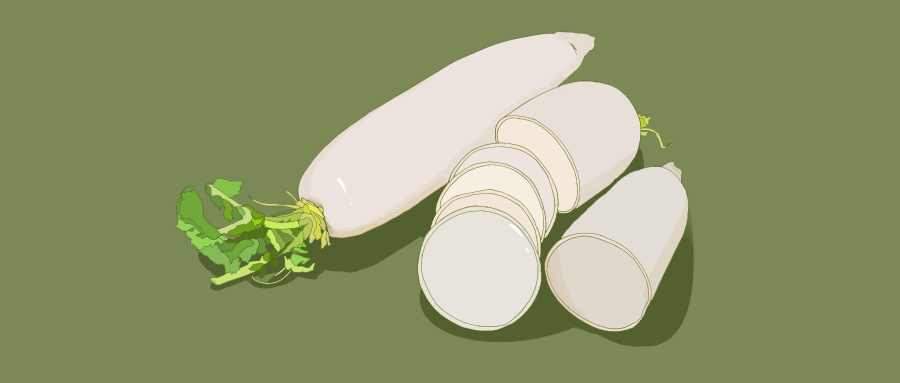
Yes, individuals with high blood glucose may consume white radish. White radish is a common vegetable rich in dietary fiber and vitamins. It effectively promotes intestinal motility and relieves constipation, thereby benefiting overall health. Its sugar content is low, so moderate consumption poses no adverse effect on patients’ blood glucose control. There is no need to worry that eating white radish will exacerbate hyperglycemia. Moreover, certain bioactive compounds in white radish possess anticancer, health-promoting, and disease-preventive properties. As long as patients adopt the habit of eating smaller, more frequent meals, blood glucose levels can be well managed.
Individuals with high blood glucose must strictly avoid unhealthy dietary habits. Cultivating sound eating patterns plays a crucial role in glycemic control. Patients should drink plenty of water daily and prioritize foods known to lower or stabilize blood glucose. Maintaining an optimistic and cheerful mindset is equally important during this period. Adequate rest is essential—ideally, adopting a routine of going to bed early and rising early. Regular physical activity in daily life is highly recommended. A balanced approach integrating work and rest significantly aids blood glucose control and enhances immune function. Conversely, prolonged intense exercise or heavy physical labor should be avoided, as these may precipitate more serious health complications.

It is recommended that individuals with hyperglycemia undergo regular blood glucose monitoring in daily life. We hope this information proves helpful. Wishing you good health and happiness!


