


Can people with high blood sugar eat pistachios?

Pistachios are rich in dietary fiber, which helps stabilize blood glucose levels. Additionally, they contain abundant healthy fats that lubricate the intestines and promote bowel regularity, thereby supporting metabolic function. So, can individuals with high blood sugar consume pistachios?
Can individuals with high blood sugar eat pistachios?
Yes, individuals with elevated blood glucose levels may consume pistachios. Their high fiber content contributes to better glycemic control. However, excessive intake of sweets and creamy salad dressings should be avoided; pistachios can serve as a healthier, moderate substitute. Moreover, pistachios possess anti-aging properties and may help enhance immune function. Regular, appropriate physical activity further boosts immunity, while adequate rest and maintaining a calm, relaxed mindset are also essential.
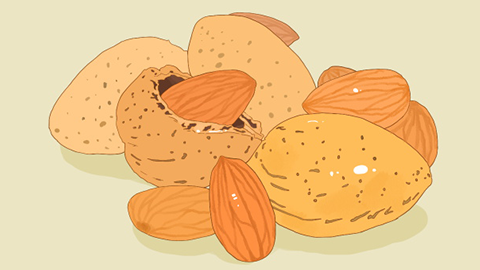
Patients with hyperglycemia may include pistachios in their diet, as they belong to the nut family and are particularly rich in lecithin—a compound beneficial for metabolism. Nevertheless, portion control is critical: daily intake should be limited to a small handful. Because pistachios are high in fat, overconsumption can lead to a pronounced rise in blood glucose levels.

Individuals with high blood sugar should minimize consumption of high-glycemic-index fruits such as longan, lychee, grapes, red dates (jujubes), and bananas. Grilled, fried, or greasy foods—typically high in fat—should also be limited. Notably, one bowl of oil raises blood glucose to a similar extent as one bowl of rice. Likewise, congee (rice porridge) should be consumed sparingly, as it is made from finely ground rice and is rapidly absorbed by the gastrointestinal tract, resulting in a marked spike in blood glucose. Instead, people with diabetes are encouraged to prioritize whole grains and non-starchy vegetables—especially leafy greens and root vegetables. We hope this information proves helpful!


