


Can people with high blood sugar eat black beans?

The black seeds of *Glycine max*, a leguminous plant belonging to the genus *Glycine*. Black soybeans contain 36% protein, which is highly digestible and plays a significant role in meeting the body’s protein requirements. But can individuals with high blood glucose consume black soybeans?
Can individuals with high blood glucose consume black soybeans?
Generally, individuals with elevated blood glucose levels may safely consume black soybeans. Blood glucose refers to the concentration of glucose in the bloodstream and serves as a primary energy source for bodily functions. Transient hyperglycemia may result from consuming foods high in sugar, whereas chronic hyperglycemia often stems from insufficient insulin secretion or reduced insulin sensitivity in target cells. Black soybeans possess hypoglycemic properties and help prevent both diabetes and cardiovascular and cerebrovascular diseases; therefore, moderate consumption may offer beneficial health effects for individuals with high blood glucose.
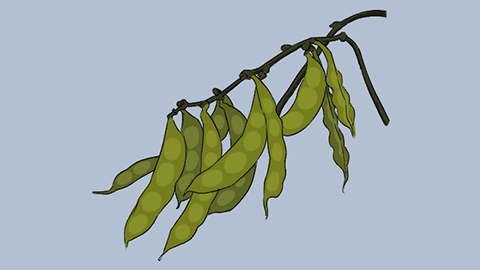
Hypoglycemic effect: Black soybeans contain chromium, an essential trace mineral that enhances insulin’s efficiency in facilitating glucose uptake into cells and improves insulin sensitivity—making it a vital regulator of blood glucose and effectively aiding glucose reduction. Diabetes prevention: Rich in high-quality protein and all essential amino acids, black soybeans not only supply vital nutrients but also significantly lower serum cholesterol levels, promote vascular softening and dilation, and improve blood circulation. Moreover, black soybeans have a very low glycemic index (GI), meaning they do not cause rapid spikes in blood glucose, thereby contributing adjunctively to diabetes prevention.
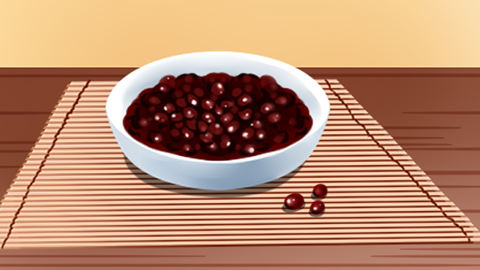
Individuals with high blood glucose are advised to adjust their dietary patterns—opting for smaller, more frequent meals—and to increase physical activity while maintaining a healthy weight to support glycemic control. When necessary, antihyperglycemic medications should be taken under medical supervision. We hope this information proves helpful!


