


Can people with high blood sugar eat blueberries?

Hyperglycemia is one of the “three highs” commonly seen in modern populations. Persistently elevated blood glucose levels pose significant health risks, and such elevations are closely linked to daily lifestyle and dietary habits. Adopting a scientifically balanced diet is essential to prevent hyperglycemia.
Can people with high blood sugar eat blueberries?
Individuals with well-controlled blood glucose levels may consume blueberries in moderation. Blueberries have a low glycemic index and are rich in anthocyanins and vitamins, which help soften blood vessels and prevent atherosclerosis—thereby reducing the risk of cardiovascular complications associated with chronic hyperglycemia. Additionally, blueberries contain abundant trace elements and essential amino acids that support normal physiological functions and enhance metabolic rate, aiding in the effective utilization and clearance of excess blood glucose. However, overconsumption should be avoided, as excessive intake may lead to accumulation of sugars from blueberries, resulting in sustained elevation of blood glucose levels and potential adverse effects.
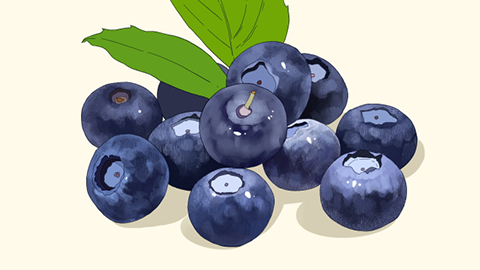
Patients are advised to consume blueberries—or other fruits—as snacks between main meals. Portion control is critical: avoid eating large quantities of fruit at once, and always monitor blood glucose levels. If blood glucose remains elevated despite dietary adjustments, consultation with an endocrinologist is recommended to reassess and optimize the antihyperglycemic treatment plan.

In daily life, individuals with hyperglycemia should reduce intake of meat, eggs, fish, and dairy products, while increasing consumption of green vegetables. High-sodium foods should be limited, and binge eating must be avoided. Regular physical activity is encouraged—though intense or strenuous exercise should be avoided. Blood glucose levels should be monitored routinely. We hope this information proves helpful!


