


Can people with high blood sugar eat garlic?

Garlic possesses a strong, pungent odor. Both garlic bulbs, garlic leaves (green garlic or garlic sprouts), and garlic scapes are commonly consumed as vegetables—not only as flavoring agents but also as medicinal ingredients—making garlic a well-known dual-purpose food and herbal medicine. So, can individuals with high blood sugar consume garlic?
Can individuals with high blood sugar consume garlic?
Yes, individuals with elevated blood glucose levels may consume garlic. Garlic is rich in nutrients and exhibits multiple health benefits, including antioxidant, lipid-lowering, anticoagulant, antimicrobial, and immune-enhancing effects. It promotes metabolism, reduces serum cholesterol and triglyceride levels, and helps lower both blood pressure and blood glucose. Consequently, it offers certain therapeutic benefits for hypertension, hyperlipidemia, atherosclerosis, and diabetes. Patients may safely include garlic in their diet. Allicin—the primary bioactive compound in garlic—is formed when raw garlic is crushed or chopped and exposed to air; this compound contributes significantly to garlic’s health-promoting properties. However, garlic intake should be moderated: excessive consumption may irritate the gastric mucosa due to its pungency, potentially harming gastrointestinal health. Therefore, moderate consumption is recommended.
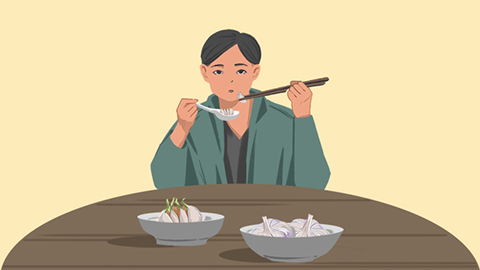
Garlic demonstrates detoxifying and anthelmintic properties. It is rich in allicin—a compound that enhances immune function, inhibits lipid peroxidation, exerts anti-mutagenic effects, and reduces the risk of intestinal tumor development.

Furthermore, garlic helps lower blood glucose by stimulating insulin secretion, enhancing cellular uptake of glucose, improving glucose tolerance, and rapidly reducing blood glucose levels. It may also eliminate pathogenic microorganisms responsible for infections that trigger or exacerbate diabetic complications. We hope this information is helpful to you!


