


Can people with high blood sugar eat raw peanuts?

Nuts are common foods in daily life. Can individuals with high blood glucose consume raw peanuts?
Can individuals with high blood glucose consume raw peanuts?
Individuals with elevated blood glucose levels are generally advised to avoid consuming peanuts—including both raw and roasted varieties—to prevent fluctuations in blood sugar. Peanuts are relatively high in fat content; while they may modestly raise blood glucose, they can also elevate blood lipid levels, potentially contributing to hyperlipidemia and thereby worsening diabetic complications. Consequently, peanut consumption may lead to blood glucose instability and even increased lipid levels. However, for patients with well-controlled diabetes, small amounts of peanuts may be acceptable. Peanuts are rich in protein, healthy fats, and various vitamins—making them a valuable component of a nutritionally balanced diet. Diabetic dietary management requires careful balancing of carbohydrates, fats, proteins, vitamins, and dietary fiber, tailored to each patient’s specific clinical condition and glycemic status.
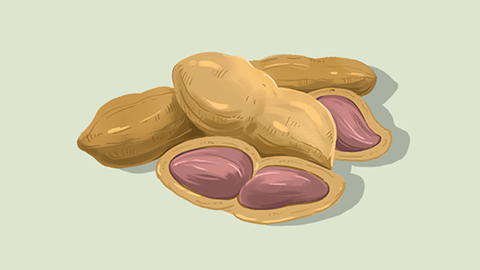
Peanuts are rich in unsaturated fatty acids, contain no cholesterol, provide abundant dietary fiber, and are naturally low in sodium. Consuming an appropriate amount of raw peanuts daily may benefit gastric health. Second, when eating peanuts, it is recommended to consume the thin reddish-brown skin (testa) along with the kernel, as it possesses properties that nourish and replenish blood, promote hair growth, and help darken hair. Third, peanuts are a high-protein food containing fats, starch, crude fiber, as well as minerals such as calcium, phosphorus, and iron. They also supply multiple vitamins—including A, B complex, C, E, and K—making them highly digestible and nutritionally beneficial to the human body.

Therefore, individuals with diabetes are advised to consume peanuts judiciously, based on their individual glycemic control status. We hope this information is helpful to you!


