


Can people with high blood sugar eat chestnuts?

Individuals with elevated blood glucose levels must remain vigilant for diabetes, a condition increasingly prevalent in today’s population. Therefore, scientifically sound and health-conscious dietary management and control are essential. So, can people with high blood glucose consume chestnuts?
Can people with high blood glucose eat chestnuts?
If blood glucose levels are stable, chestnuts may be consumed in moderation—but excessive intake should be avoided. Chestnuts contain a relatively high amount of carbohydrates and sugars, significantly impacting postprandial (after-meal) blood glucose levels in individuals with diabetes and interfering with glycemic control. Moreover, chestnuts are not only high in sugar but also difficult to digest. Although they do not cause an abrupt spike in blood glucose, they can lead to sustained hyperglycemia over an extended period, further complicating blood glucose management. Individuals with elevated blood glucose are therefore advised to limit their chestnut consumption.
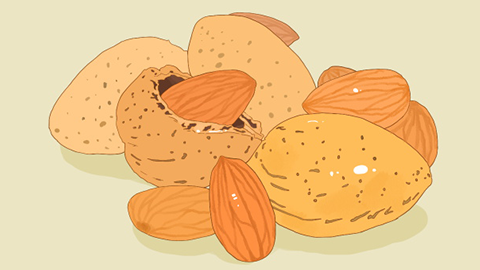
Chestnuts are nutritionally rich and possess certain antihypertensive properties. They contain abundant unsaturated fatty acids, vitamins, and minerals, which help regulate blood lipid levels. Chestnuts may also help prevent oral ulcers—riboflavin (vitamin B2) found in chestnuts is particularly beneficial for this purpose. Additionally, chestnuts support spleen and stomach health, aiding digestion in cases of spleen deficiency and indigestion. Furthermore, chestnuts exhibit anti-aging effects and contribute to calcium supplementation and bone health.

In daily life, individuals with elevated blood glucose should reduce intake of meat, eggs, fish, and dairy products, while increasing consumption of green vegetables. High-sodium foods should be limited, and overeating or binge eating must be avoided. Regular physical activity is encouraged, though strenuous exercise should be avoided. Blood glucose levels should be monitored regularly. We hope this information proves helpful!


