


Can people with high blood sugar eat sunflower seeds?
May 10, 2022
Source: Cainiu Health

Dr. Pan Yongyuan
Introduction
Individuals with high blood sugar may consume sunflower seeds in moderation, but should avoid excessive intake. Sunflower seeds belong to the nut category, and foods in this category are typically high in fat. Patients with elevated blood glucose must carefully control their total daily caloric intake, and fat consumption should also be limited. The fat in sunflower seeds consists primarily of unsaturated fatty acids, which offer certain health benefits for individuals with high blood sugar.
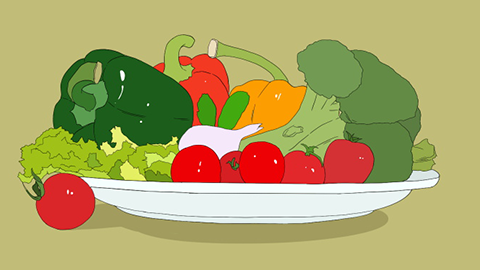
Dietary management for individuals with diabetes must be strictly controlled. Patients should avoid foods that are overly sweet or high in sugar. However, they may consume, in moderation, foods with low sugar content. Suitable staple foods include buckwheat, oats, corn, brown rice, soybeans, pumpkin, celery, winter melon, wood ear mushrooms, mushrooms, and onions. A diverse selection of foods is recommended, along with moderate intake of high-quality protein sources such as egg whites, poultry, and fish.
Can individuals with high blood glucose consume sunflower seeds?
Individuals with elevated blood glucose levels may consume sunflower seeds in moderation—but excessive intake is not advised. Sunflower seeds belong to the nut category, which typically contains relatively high amounts of fat. People with high blood glucose must carefully manage their total daily caloric intake, and fat consumption should be appropriately limited. The fats present in sunflower seeds are primarily unsaturated fatty acids, which offer certain health benefits for individuals with hyperglycemia. However, overconsumption may lead to excess caloric intake, resulting in increased visceral fat deposition and worsening insulin resistance.

It is recommended that individuals with high blood glucose consume nuts no more than twice per week, and portion sizes must be strictly controlled to prevent excessive fat intake. For this population, carbohydrates, proteins, and fats—the three major macronutrients—can all be included in the diet, provided intake is balanced and appropriate.
In summary, as long as portion sizes are carefully controlled, individuals with high blood glucose may safely consume sunflower seeds—though overindulgence must be avoided. We hope this information proves helpful!


