


Can people with high blood sugar eat glutinous rice cakes?

Glutinous rice cakes (nian gao) are a popular traditional sweet commonly enjoyed in daily life—especially among women. However, some women experience elevated blood glucose levels. So, can individuals with high blood sugar consume glutinous rice cakes?
Can individuals with high blood sugar eat glutinous rice cakes?
Individuals with high blood sugar should limit their intake of glutinous rice cakes. These cakes are made from glutinous rice, which has a relatively high glycemic index (GI); consequently, glutinous rice cakes also possess a high GI. Therefore, portion control is essential when consuming them. Additionally, when eating glutinous rice cakes, one should reduce intake of other carbohydrate-rich foods such as rice, wheat-based products, potatoes, sweet potatoes, and pumpkin. When preparing glutinous rice cakes, avoid deep-frying and minimize the use of soy sauce and other high-sodium or high-sugar condiments, as these may contribute to blood glucose instability. While individuals with high blood sugar may consume glutinous rice cakes in moderation, excessive consumption should be avoided: first, it may cause a rapid rise in blood glucose; second, it may place undue burden on the gastrointestinal system.
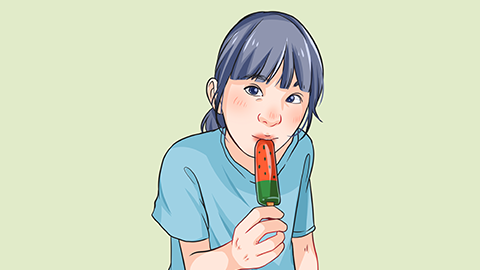
For individuals with elevated blood glucose, dietary recommendations advise avoiding foods high in sugar, calories, and fat. Specifically, avoid confections containing ingredients listed on packaging labels such as sugar, glucose, or fructose. Also avoid sweets altogether. Similarly, processed snacks—including puffed snacks, cookies, potato chips—and other high-fat, high-calorie foods (e.g., deep-fried or barbecued items) are not recommended. At home, individuals with high blood sugar should adopt healthier cooking methods—primarily steaming, stewing, boiling, or mixing—while avoiding stir-frying, sweet-and-sour preparations (e.g., sweet-and-sour pork ribs), deep-frying, or other high-fat cooking techniques.
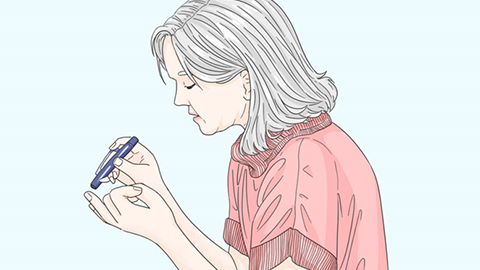
Individuals with elevated blood glucose should pay close attention to balanced meal planning and nutritional equilibrium in daily life. They should avoid foods high in added sugars and excessively oily or fried items to prevent adverse effects on physical and mental health. We hope this information proves helpful!


