


Can people with high blood sugar consume maltose?

Maltose is a disaccharide composed of two glucose units linked by a glycosidic bond, also known as maltobiose. Can individuals with high blood glucose consume maltose?
Can individuals with high blood glucose consume maltose?
Foods containing maltose should be avoided. Because maltose contains substantial amounts of sugar, consuming high-sugar foods may cause blood glucose levels to rise further in individuals with hyperglycemia; therefore, special attention must be paid to dietary choices in daily life. High-sugar foods should be strictly avoided. Effective blood glucose management is essential. Blood glucose levels should be monitored daily to ensure they remain within the normal range. If blood glucose rises excessively, immediate insulin administration is required—the dosage being determined according to the measured blood glucose level. Hypoglycemia, if it occurs, requires prompt treatment; otherwise, symptoms such as dizziness and fatigue may develop.

“High blood glucose” typically refers to individuals with diabetes. Maltose is not recommended for diabetic patients. Due to its relatively rapid absorption, maltose can easily trigger postprandial blood glucose fluctuations; thus, it is not advisable for individuals experiencing significant blood glucose variability or persistently elevated blood glucose levels. During normal eating—for example, prolonged chewing of steamed buns—maltose’s sweet taste may naturally become perceptible.
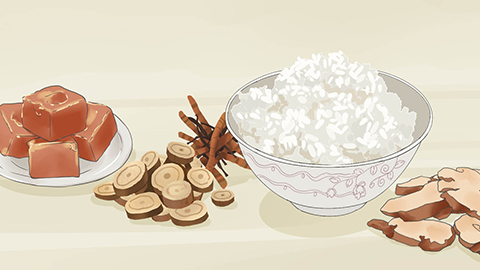
For diabetic patients, a regular diet is permissible under strict blood glucose control—but carbohydrate intake, especially from staple foods, must be carefully regulated. Foods such as congee (rice porridge), particularly when overcooked, may contain increased levels of maltose derived from rice starch breakdown; therefore, diabetic patients should limit their consumption of such foods. We hope this information proves helpful!


