


Can people with high blood sugar eat dragon fruit?

However, elevated blood glucose and diabetes are not the same condition. Diabetes develops when declining insulin levels in the body lead to persistently high blood glucose. So, can individuals with high blood glucose consume dragon fruit?
Can individuals with high blood glucose eat dragon fruit?
Individuals with high blood glucose—particularly those diagnosed with diabetes—may consume dragon fruit. While there are no absolute restrictions on fruit selection for people with diabetes, it is important to note that dragon fruit comes in two main varieties: red-fleshed and white-fleshed. Some dragon fruits may taste less sweet, yet still contain relatively high sugar content. When evaluating fruits and other foods, two key glycemic indicators should be considered: sugar content (i.e., total carbohydrate/sugar concentration) and glycemic index (GI). Of these, sugar content is generally more clinically relevant. Many dragon fruit varieties have relatively high sugar content; therefore, people with diabetes should consume them in moderation—not strictly prohibited, but with specific considerations. It is recommended that individuals with diabetes who wish to include dragon fruit or other fruits in their diet maintain satisfactory glycemic control: fasting blood glucose around 7 mmol/L and postprandial blood glucose within 10 mmol/L.
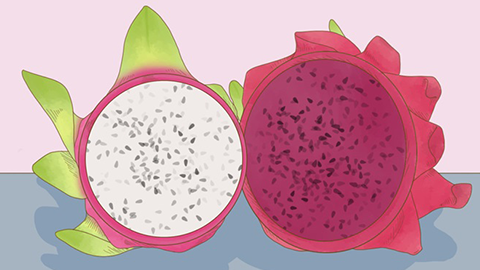
Additionally, if individuals with diabetes consume dragon fruit or other fruits in larger quantities, they should proportionally reduce their intake of staple carbohydrates (e.g., rice, noodles, bread). Fruits should ideally not be consumed immediately before or after meals. Moreover, people with diabetes should avoid fruit or vegetable juices, as juicing concentrates sugars while significantly depleting vitamins and dietary fiber.

For individuals with diabetes and elevated blood glucose who achieve relatively stable glycemic control, attention should be paid to consuming fruits in appropriate portions. A variety of fruits may be selected to ensure balanced nutrition, thereby enhancing overall quality of life. We hope this information is helpful to you!


