


Can people with high blood sugar eat oranges?

Many people enjoy eating oranges in daily life. Oranges are rich in vitamin C, which benefits skin health. Some individuals with diabetes or elevated blood glucose levels also like to eat oranges. But can people with high blood sugar consume oranges?
Can people with high blood sugar eat oranges?
Yes—people with high blood sugar may consume oranges in moderation, provided their blood glucose levels are well-controlled. It is advisable to eat oranges before meals rather than after, to help prevent postprandial spikes in blood glucose. Individuals with diabetes must manage their total caloric intake and maintain a healthy body weight. They should reduce dietary fat intake while increasing dietary fiber consumption, and ensure a balanced ratio of carbohydrates, fats, and proteins in their diet. Nutrients should be distributed evenly across meals. Maintaining a healthy weight is essential, and fruit intake—including oranges—should be limited. Alcohol consumption should be avoided entirely, as excessive alcohol can lead to hyperlipidemia, metabolic disturbances, increased hepatic burden, and elevated blood glucose levels.
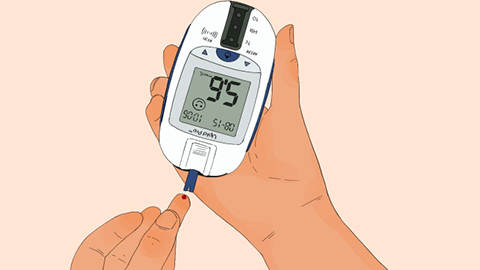
High blood sugar often results from habitual consumption of foods high in sugar. If left unmanaged, persistently elevated blood glucose may progress to diabetes. First, reduce portion sizes and overall food intake; avoid foods high in fat and cholesterol. Instead, increase consumption of fruits and vegetables—including potatoes and sweet potatoes. Vegetables and fruits such as tomatoes, cucumbers, and grapefruit may also be consumed in moderation, as they possess blood glucose–lowering properties. In some cases, insulin therapy may be required; however, regular physical activity remains essential for weight management and overall health maintenance.

Individuals with hyperglycemia must pay close attention to their daily diet. Excessive intake of sugars and high-sugar foods should be strictly avoided, as this may further elevate blood glucose levels, potentially leading to diabetes and compromising overall health. We hope this information proves helpful to you!


