


Can people with high blood sugar eat sweet potatoes?
May 11, 2022
Source: Cainiu Health

Dr. Pan Yongyuan
Introduction
People with diabetes can eat sweet potatoes. The primary component of sweet potatoes is starch; therefore, they should be consumed as a staple food. People with diabetes may consume staple foods. Additionally, staple foods should account for approximately 55% of the total daily caloric intake, and the portion size of each serving of staple food should not exceed 100 grams. When eating sweet potatoes, the intake of other staple foods should be reduced—or omitted entirely.
Sweet potatoes—also commonly known as yams—are a popular food in daily life and serve as a good source of carbohydrates. Individuals with elevated blood glucose levels must pay special attention to their diet. So, can people with high blood sugar eat sweet potatoes?
Can people with high blood sugar eat sweet potatoes?
People with diabetes may consume sweet potatoes. The primary component of sweet potatoes is starch; therefore, they should be counted as part of the staple food intake. Diabetic patients are permitted to consume staple foods, provided that staple foods contribute approximately 55% of total daily caloric intake, and each serving does not exceed 100 grams. When eating sweet potatoes, one should reduce or omit other staple foods accordingly. Additionally, sweet potato consumption itself must be carefully controlled—excessive intake should be avoided to prevent postprandial (2-hour) blood glucose spikes.
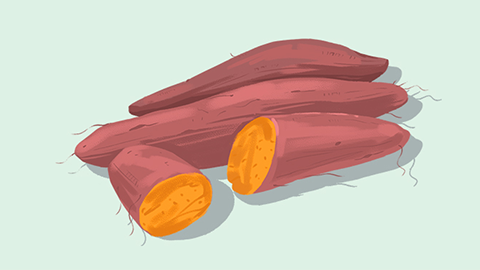
When blood glucose levels are elevated, dietary management becomes especially critical. Medical nutrition therapy serves as the cornerstone of treatment for hyperglycemia. For all individuals with high blood sugar, dietary control remains the fundamental basis of management. Dietary therapy for hyperglycemia does not mean complete avoidance of certain foods, but rather scientifically guided, portion-controlled eating—ensuring nutritional balance, dietary diversity, and appropriate food choices to maintain metabolic stability. First, prioritize low-glycemic-index (low-GI) foods: opt for staple foods such as buckwheat noodles and oatmeal, along with low-sugar vegetables and fruits. Second, maintain regular, consistent meal timing and portion sizes. Limit added sugars, avoid sugary beverages, and ensure adequate protein intake. Furthermore, consuming alcohol on an empty stomach significantly increases the risk of hypoglycemia; thus, alcohol intake should be minimized, and drinking on an empty stomach should be strictly avoided. Dietary fiber supplementation is also recommended for individuals with elevated blood glucose.

Individuals with borderline-high blood glucose should pay close attention to their daily diet—favoring low-sugar foods to help stabilize blood glucose and prevent further elevation, which could progress to diabetes and adversely affect both health and quality of life. We hope this information proves helpful!


