


What Are the Symptoms of Hyperlipidemia-Related Heart Disease?

In daily life, many people develop hyperlipidemia (elevated blood lipid levels), which not only harms their physical health but also significantly impairs their quality of life and work performance. Understanding the condition is essential for effective prevention and treatment. So, what are the symptoms of heart disease associated with hyperlipidemia?
What Are the Symptoms of Heart Disease Associated with Hyperlipidemia?
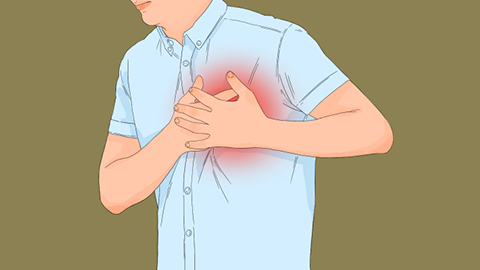
If hyperlipidemia remains untreated over a prolonged period, patients may develop coronary artery atherosclerotic plaques. When such plaques cause significant narrowing of the arterial lumen, typical angina pectoris symptoms—including chest tightness, chest pain, dyspnea (shortness of breath), and palpitations—may occur. The longer hyperlipidemia persists, the more severe the atherosclerosis becomes; in advanced cases, target-organ damage or even adverse clinical events may ensue. The most common complication is hyperlipidemia-induced coronary artery disease (CAD), manifesting as angina or myocardial infarction—potentially life-threatening in severe cases. Additionally, following the development of atherosclerosis due to hyperlipidemia, myocardial function declines and arterial vasospasm occurs, predisposing patients to isolated systolic hypertension.
Heart disease caused by hyperlipidemia typically requires oral pharmacotherapy or, in some cases, interventional or surgical treatment. Lifestyle modifications are equally critical: adopt a low-fat diet, avoid cooking with excessive oil, and prefer steaming, boiling, or cooling methods instead of frying. Limit intake of added sugars. Regular physical activity and exercise are essential for weight control. Emotional well-being should also be prioritized—avoid excessive stress or tension.

Individuals with hyperlipidemia should adhere to a low-fat diet, as excess dietary fat is one of the key contributors to its development. Engage in appropriate physical activity while monitoring and managing comorbid conditions. We hope this information proves helpful to you!


