


Can people with high blood sugar eat peanuts?
May 11, 2022
Source: Cainiu Health

Dr. Pan Yongyuan
Introduction
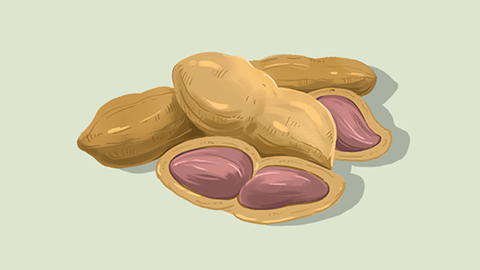
Due to elevated blood glucose levels, it is advisable to limit or avoid peanut consumption. Peanuts are high in fat, and excessive intake may cause blood glucose levels to rise. When blood glucose is high, individuals may consume various foods known to help lower blood glucose—such as oats and bitter melon—but should avoid sweets, high-fat foods, and high-cholesterol foods. Maintaining stable blood glucose requires a dual approach: controlling caloric intake while increasing energy expenditure.
Peanuts are a common food in daily life—especially popular among men during social gatherings and drinking sessions, where roasted peanuts, cold-mixed peanuts, or vinegar-marinated peanuts are often ordered as appetizers to accompany alcohol. Some individuals with elevated blood glucose levels also enjoy eating peanuts regularly. So, can people with high blood sugar consume peanuts?
Can people with high blood sugar eat peanuts?
Because of elevated blood glucose, peanuts should generally be avoided—or at least consumed sparingly. Peanuts are high in fat, and excessive intake may cause blood glucose levels to rise. Individuals with high blood sugar may instead choose foods known to help lower blood glucose, such as oats, buckwheat noodles, shiitake mushrooms, wood ear fungus, and bitter melon. However, they should strictly avoid sweets, high-fat foods, and high-cholesterol foods. Daily management for those with high blood sugar includes dietary control and regular physical activity—“closing the mouth and moving the legs” is equally important. First, limit caloric intake; second, increase energy expenditure. Combining both strategies helps maintain stable blood glucose levels more effectively.
When blood glucose is elevated, special attention must be paid to diet. Medical nutrition therapy serves as the cornerstone of treatment for hyperglycemia. For all individuals with high blood sugar, dietary management remains the fundamental pillar of therapy. Dietary treatment does not mean complete abstinence from certain foods, but rather scientifically guided, portion-controlled eating—ensuring nutritional balance, dietary diversity, and overall metabolic equilibrium. First, prioritize low-glycemic-index (low-GI) foods—for example, buckwheat noodles and oats as staple carbohydrates, along with vegetables and fruits naturally low in sugar. Second, maintain regular, consistent meal timing and portion sizes. Limit added sugars, avoid sugar-sweetened beverages, and ensure adequate protein intake. Additionally, consuming alcohol on an empty stomach significantly increases the risk of hypoglycemia; therefore, alcohol intake should be minimized, and drinking without food should be avoided altogether. Dietary fiber supplementation is also highly recommended for individuals with high blood sugar.

Individuals with borderline-high blood glucose should pay close attention to their daily diet—favoring low-sugar foods to help control blood glucose and prevent further elevation that could progress to diabetes, thereby safeguarding their overall health and quality of life. We hope this information proves helpful!


