


What are the causes of hyperglycemia?

Many people in daily life suffer from hyperglycemia, a condition that significantly impairs normal daily functioning. However, the underlying causes of hyperglycemia remain unclear to many. So, what are the primary etiologies of hyperglycemia?
Causes of Hyperglycemia
Clinically, hyperglycemia arises from several mechanisms. In both type 1 and type 2 diabetes mellitus, varying degrees of pancreatic islet dysfunction lead to absolute insulin deficiency or relative insulin insufficiency, resulting in impaired glucose utilization and consequent elevation of blood glucose levels. Secondary diabetes often develops as a complication of endocrine disorders. Elevated glucocorticoid levels exert antagonistic effects on insulin, impairing glucose utilization and thereby increasing blood glucose. Common associated conditions include pituitary growth hormone–secreting tumors (acromegaly) and Cushing’s syndrome (hypercortisolism). Prolonged administration of glucocorticoids—potent hyperglycemic agents with anti-insulin activity—can also induce hyperglycemia and, over time, lead to steroid-induced diabetes. Transient hyperglycemia may occur during acute stress states such as severe infection, surgery, trauma, or childbirth; in most cases, blood glucose levels return to normal once the stress resolves.
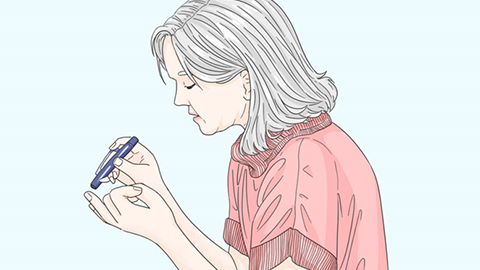
The dangers of chronic hyperglycemia are substantial. Uncontrolled long-term hyperglycemia predisposes individuals to diabetic nephropathy, progressively impairing renal function and potentially culminating in uremia in severe cases. Diabetic foot ulcers may also develop; if infection is not promptly controlled, limb amputation may become necessary, severely compromising quality of life. Diabetic retinopathy can cause retinal hemorrhage and even blindness. Additionally, some patients develop diabetic cardiomyopathy or coronary artery disease, with risk of myocardial infarction—posing a life-threatening hazard.

In daily life, individuals with diabetes should pay close attention to nutritional intake and food selection, avoiding high-sugar and high-calorie foods to prevent worsening of their condition and safeguard overall health and quality of life. We hope this information proves helpful to you!


