


How is high blood lipid level diagnosed?

In daily life, we frequently encounter various physical illnesses. When such conditions arise, it’s important not to panic. So, how is hyperlipidemia diagnosed?
How Is Hyperlipidemia Diagnosed?
The most commonly used clinical method for diagnosing elevated blood lipid levels involves having the patient fast for 8–12 hours (typically overnight) before visiting a hospital for blood sampling and a comprehensive lipid panel test. A qualified physician then interprets the results to determine whether hyperlipidemia is present—this remains the most common and widely adopted diagnostic approach. In addition to laboratory testing, clinicians may also observe for xanthomas—localized yellowish skin lesions that often appear on the upper eyelids and represent a characteristic clinical sign of hyperlipidemia. Furthermore, some patients develop elevated lipid levels secondary to atherosclerosis or acute pancreatitis. Hyperlipidemia encompasses several subtypes, including elevated total cholesterol, elevated triglycerides, increased low-density lipoprotein cholesterol (LDL-C), and decreased high-density lipoprotein cholesterol (HDL-C).
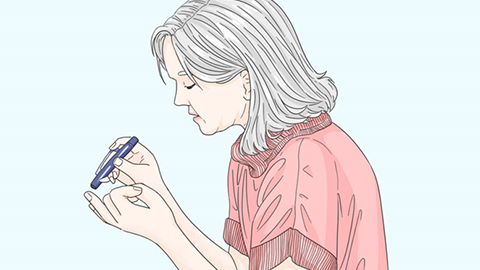
The underlying causes of hyperlipidemia vary. Excessive dietary intake of high-fat foods is one potential contributor. Certain medical conditions—such as poorly controlled diabetes—can disrupt normal metabolism and thereby elevate blood lipid levels. Diagnosis cannot rely solely on symptoms, as many affected individuals remain asymptomatic. Therefore, laboratory testing is essential for accurate identification and differential diagnosis.

Dietary management is the first-line intervention: avoid fatty meats, organ meats, egg yolks, and other high-cholesterol foods; instead, emphasize vegetables and fruits. We hope this information proves helpful to you!


