


What Is the Most Effective Tea for Lowering Blood Lipids?

Extensive research indicates that hyperlipidemia is an independent and significant risk factor for stroke, coronary heart disease, myocardial infarction, and sudden cardiac death. Therefore, timely lipid-lowering interventions are essential. But which tea is most effective for lowering blood lipids?
Which Tea Is Most Effective for Lowering Blood Lipids?
Fermented teas—such as Pu’er tea and black tea—are highly beneficial for lipid reduction. Semi-fermented teas—like oolong tea—also aid in regulating blood lipid levels. These fermented teas possess mild properties and cause minimal gastric irritation, while simultaneously helping to inhibit cholesterol absorption. Drinking fermented or semi-fermented tea after consuming fatty meals may also help alleviate physical fatigue.
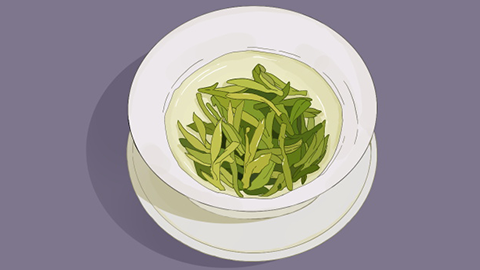
Unfermented teas—such as green tea—contain abundant tea polyphenols, which help suppress cholesterol absorption in the body, promote gastrointestinal motility, and reduce absorption of dietary fats—thereby significantly aiding lipid regulation. Notably, green tea can also modulate gut microbiota and improve metabolic status, thereby assisting in managing metabolic syndrome and ultimately achieving lipid regulation. Other options include lotus leaf tea, winter melon peel tea, and Kuding tea. Mulberry leaf tea, too, supports lipid regulation: it contains α-glucosidase inhibitors that help improve metabolic status and reduce cholesterol absorption, contributing to better lipid control.
In daily life, relying solely on tea consumption for lipid management is insufficient. Lifestyle interventions—including dietary control (“watching what you eat”) and regular physical activity (“moving more”)—are essential. In some cases, pharmacological lipid-lowering therapy may also be necessary. We hope this information proves helpful to you!


