


How to Properly Manage Hyperglycemia

After hyperglycemia occurs, patients must immediately initiate measures to lower their blood glucose levels; otherwise, serious complications may develop.
How to Respond Appropriately to Hyperglycemia
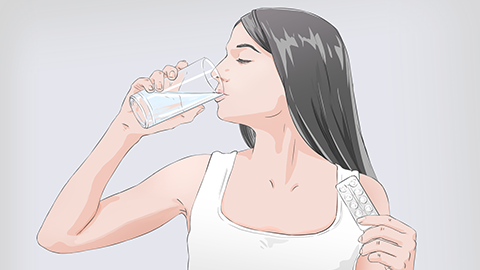
Engage in regular, effective aerobic exercise—at least five times per week, for no less than 30 minutes each session. Maintain long-term dietary control tailored specifically for diabetes management. A diabetic diet is individualized based on height, weight, and physical activity level, ensuring adequate intake of protein, carbohydrates, and fats while also providing sufficient dietary fiber—key for glycemic control. This forms the cornerstone of diabetes treatment. Under medical supervision, oral hypoglycemic agents or insulin therapy should be administered according to body weight, blood glucose levels, and presence of complications. Regular monitoring of fasting blood glucose, postprandial blood glucose, and HbA1c is essential, along with periodic screening for complications involving the heart, brain, kidneys, retina, and peripheral nerves.

When blood glucose levels meet the diagnostic criteria for diabetes, the condition is classified as diabetes mellitus. Diabetes is a group of chronic metabolic disorders caused by absolute or relative insulin deficiency, clinically characterized by persistent hyperglycemia. Once diagnosed, diabetes is a lifelong condition. Impaired glucose tolerance refers to mildly elevated blood glucose levels that fall short of the diagnostic threshold for diabetes but exceed normal ranges; in such cases, an oral glucose tolerance test (OGTT) is recommended.
Patients should maintain a positive mental outlook and adopt a healthy lifestyle—including smoking cessation, alcohol abstinence, maintenance of a healthy body weight—and manage coexisting conditions such as hypertension and dyslipidemia. We hope this information proves helpful to you!


