


Normal Glucose Tolerance Values

In daily life, many people experience elevated blood glucose levels. This not only harms the patient’s physical health but also significantly impairs their quality of life and work performance. Understanding the condition is essential for effective prevention and treatment. So, what are the normal values for the oral glucose tolerance test (OGTT)?
Normal OGTT Values
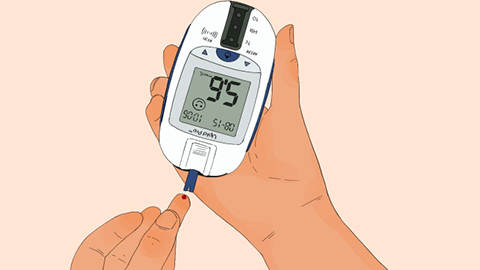
Normal fasting blood glucose is below 6.0 mmol/L, and blood glucose measured two hours after consuming the glucose solution should be below 7.8 mmol/L. If blood glucose levels exceed these thresholds—but have not yet reached the diagnostic criteria for diabetes—this indicates impaired glucose tolerance (IGT) or compromised glucose regulation. In such cases, close attention is warranted; further diagnostic evaluation should be pursued promptly, and targeted treatment initiated based on the findings. Daily dietary adjustments include limiting high-sugar foods, increasing intake of vitamin-rich fruits and vegetables, avoiding excessive emotional stress, engaging in moderate physical activity, and undergoing regular blood glucose monitoring at a healthcare facility.

The oral glucose tolerance test (OGTT) is a commonly used clinical method for diagnosing diabetes and assessing glucose tolerance status. The test consists of three sequential blood draws: 1. Prior to testing, the patient must fast for 8–12 hours. A baseline venous blood sample (~3 mL) is drawn at the hospital’s Department of Endocrinology to measure fasting blood glucose. 2. The patient is then given a standardized solution containing 75 g of anhydrous glucose dissolved in 300 mL of warm water, which must be consumed entirely within 5 minutes. Timing begins at the first sip. A second venous blood sample is drawn exactly 60 minutes after ingestion. 3. A third venous blood sample is drawn 120 minutes after ingestion of the glucose solution.
Adopting a pattern of smaller, more frequent meals—and avoiding overeating—is recommended. Regular, appropriate physical exercise helps lower blood glucose levels and enhances immune function. We hope this information proves helpful to you!


