


What should I do about small pits on my nails?

In real life, some patients develop small pits or dents on their fingernails—a phenomenon that may appear unsettling. Many patients are unaware of the underlying causes of these nail pits and thus uncertain about appropriate treatment options. So, what should one do if nail pitting occurs?
What to Do If Nail Pitting Occurs
Treatment for nail pitting depends entirely on the underlying condition causing it. Common causes include nutritional deficiencies: Nails are composed of keratinized tissue, with keratin being their primary structural protein. Therefore, adequate dietary intake of protein and calcium is essential to maintain healthy, smooth, and lustrous nails.
Deficiencies in trace elements—such as zinc, iron, and calcium—or vitamins—including vitamin A and B-complex vitamins—can also lead to nail pitting. In such cases, timely supplementation with protein, calcium, trace elements, and vitamins is recommended. A balanced diet rich in lean meats, eggs, dairy products, fresh vegetables, and fruits is advised; avoid picky eating habits. Psoriasis: Some psoriasis patients develop nail changes resembling “psoriatic nail pitting”—characterized by small, shallow depressions on the nail surface.
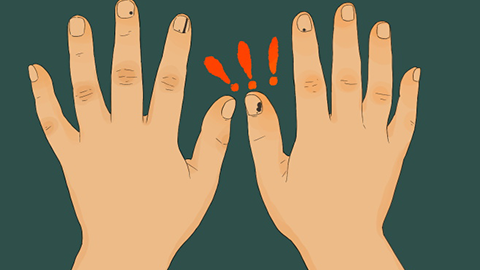
Eczema—particularly hand eczema or periungual eczema—may also impair nail nutrition, resulting in pitting. In such instances, prompt medical evaluation is crucial to identify the root cause and initiate appropriate treatment for the underlying disease. During treatment, proper nail care is essential: avoid contact with irritating substances, maintain regular sleep and dietary patterns, and engage in moderate outdoor physical activity. We hope this information proves helpful to you!


