


What Causes Perianal Eczema?

Eczema occurs in some individuals during daily life, causing significant physical discomfort and substantially affecting both personal life and work performance. Understanding the condition is essential for effective prevention and treatment. So, what causes perianal eczema?
What Causes Perianal Eczema?
Perianal eczema—and the associated perianal pruritus—is extremely common. The skin surrounding the anus is normal skin, and eczematous conditions can indeed develop in this area. However, perianal eczema is often secondary to underlying anorectal diseases—such as hemorrhoids, anal ulcers, or perianal abscesses—which impair complete anal closure. As a result, mucus secreted by the rectum and anus leaks externally due to incomplete anal sphincter closure, creating a persistently moist perianal environment that irritates the surrounding skin and triggers eczema. For such cases, treatment should primarily target the underlying disease. Only by successfully treating associated conditions—including hemorrhoids, perianal abscesses, and anal ulcers—can perianal eczema be fully resolved.
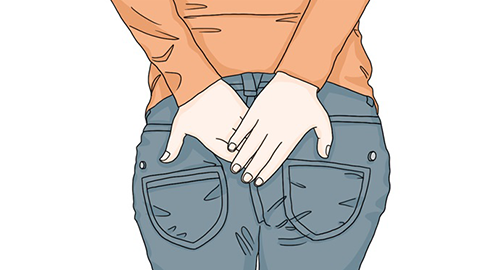
Key considerations in managing perianal eczema include the following: First, identify and eliminate all potential causative factors. Actively treat any coexisting anorectal disorders—including hemorrhoids, anal fissures, anal ulcers, anal sinusitis, and proctitis. Second, avoid spicy foods and alcohol consumption. Third, minimize contact with irritating fabrics; avoid wearing leather or wool undergarments. Fourth, maintain meticulous perianal hygiene and refrain from scratching or rubbing the affected area.
Patients should avoid spicy and irritating foods in daily life, drink ample water to support metabolism, and engage in moderate outdoor exercise to strengthen immunity. We hope this information proves helpful to you!


