


What medications are used to treat gynecological inflammation?
May 11, 2022
Source: Cainiu Health

Dr. Chen Zhe
Introduction
Numerous medications are available for treating gynecological disorders, including oral and topical agents, as well as various washes and vaginal suppositories. Oral antibiotics commonly prescribed include amoxicillin and cephalosporins. Vaginal washes include products such as Jier Yin and Fuyan Jing. For treating various forms of vaginitis, vaginal suppositories—such as Biazotai Suppository, Dakening Suppository, and Baofukang Suppository—are frequently used. However, the choice of appropriate treatment should be determined only after a thorough gynecological examination at a reputable hospital.
Some female patients develop gynecological disorders and often feel uncertain when selecting appropriate medications. Inappropriate drug choices may adversely affect their health. So, what medications are used to treat gynecological inflammation?
What Medications Are Used to Treat Gynecological Inflammation?
Numerous medications are available for treating gynecological conditions—including oral drugs, topical agents, vaginal washes, and suppositories. Common oral antibiotics include amoxicillin and cephalosporins. Vaginal washes include products such as Jie’eryin and Fuyanjie. For various types of vaginitis, commonly prescribed vaginal suppositories include Biazotai Suppository, Dakening Suppository, and Baofukang Suppository. However, the choice of medication should be guided by a thorough evaluation at a reputable hospital’s gynecology department—typically including routine vaginal discharge examination and pelvic ultrasound (including uterus and adnexa)—to ensure targeted, symptom-based treatment.
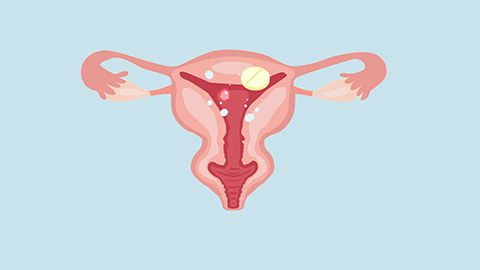
Symptoms of gynecological inflammation vary depending on the affected anatomical site. “Gynecological inflammation” is a broad term referring primarily to inflammatory conditions involving the female reproductive organs—such as vulvitis, vaginitis, cervicitis, endometritis, and pelvic inflammatory disease (PID). Vulvitis typically presents with redness, swelling, warmth, localized pruritus, and pain. Vaginitis commonly manifests as abnormal vaginal discharge, vaginal itching, and dyspareunia.
Gynecological inflammation in women is often attributable to poor personal hygiene or unhygienic sexual practices. Additionally, sharing towels or bathtubs with individuals diagnosed with gynecological infections in public settings may also pose an infection risk. We hope this information proves helpful to you!



