


What causes small pits or unevenness on the nails?

Every part of the body reflects one’s health status. When individuals notice minor abnormalities—such as small indentations on their nails—they often become concerned about potential underlying health issues, yet remain uncertain about the cause of these nail pits—leading to confusion. So, what causes small pits or unevenness on the nails?
What Causes Small Pits or Unevenness on the Nails?
If onychomycosis (fungal nail infection) is inadequately treated, it can easily spread to other healthy nails and may even trigger secondary complications. Following infection, keratin and subungual debris accumulate beneath the nail plate, resulting in discoloration and surface irregularities. To effectively treat onychomycosis, oral antifungal medications may be prescribed, and/or topical antifungal agents applied directly to the affected nail. Consistent, long-term treatment typically yields favorable outcomes.
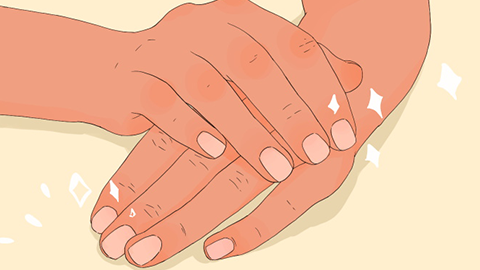
Psoriasis may also manifest as nail pitting and surface irregularities. Although psoriasis is an autoimmune disorder—not a fungal infection—the term “psoriasis” is sometimes mistakenly used interchangeably with “onychomycosis” in colloquial contexts. Psoriasis commonly affects the nails, causing pitting, thickening, discoloration, and other dystrophic changes. Management may include topical or systemic therapies targeting the underlying immune dysregulation. In cases where secondary fungal infection coexists, appropriate antifungal therapy may be required. Regular, gentle nail trimming is advisable. Many women prioritize nail aesthetics and frequently undergo manicures. However, excessive manicures or prolonged use of nail polish increases susceptibility to bacterial or fungal infections, potentially leading to nail surface irregularities and pitting. Therefore, nail protection and limiting the frequency of manicures are recommended.
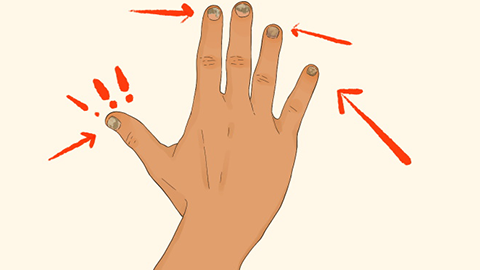
Nail pitting and surface irregularities may also result from exposure to harsh chemicals. Individuals working in hairdressing, construction, or cleaning industries—and those regularly handling detergents or industrial chemicals—are at increased risk. Frequent contact with nail polish, removers, or solvents can damage the nail plate, leading to brittleness, ridging, or pitting. Wearing appropriate protective gloves during occupational exposure is essential to prevent such damage. We hope this information proves helpful!


