What Should You Eat After Rectal Cancer Surgery?
May 12, 2022
Source: Cainiu Health

Dr. Zhao Haiming
Introduction
Diet after rectal cancer surgery is strictly followed according to the physician’s instructions during hospitalization. For rectal cancer surgeries without anastomosis, the diet may gradually progress from liquid to semi-liquid, and then to a regular diet. For rectal cancer surgeries involving anastomosis, patients should consume easily digestible soft, liquid, or semi-liquid foods for the first month postoperatively, eat small, frequent meals, and avoid spicy or irritating foods. After one month, patients may gradually resume a normal diet.
Rectal cancer is a type of malignant tumor. Prompt medical consultation and timely treatment are essential upon diagnosis. Early detection and early intervention are critical. Additionally, dietary considerations play an important role in management. So, what should patients eat after rectal cancer surgery?
What to Eat After Rectal Cancer Surgery
Dietary management following rectal cancer surgery must strictly follow the physician’s instructions during hospitalization. For patients who undergo surgery without anastomosis, the diet may progress gradually from liquid to semi-liquid, and then to regular food. For those who undergo anastomotic surgery, it is recommended to consume easily digestible soft, liquid, or semi-liquid foods for the first month postoperatively, with small, frequent meals. Spicy and irritating foods should be avoided. After one month, patients may gradually resume a normal diet.
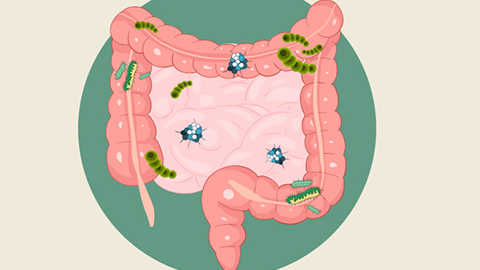
Postoperative diet can influence both recurrence risk and treatment outcomes in colorectal cancer. For instance, excessive intake of high-protein and high-fat foods may increase the risk of colorectal cancer. It is advisable to moderately increase dietary fiber intake—consuming more fresh vegetables and fruits, as well as nutrient-rich, fresh foods—while reducing consumption of pickled foods, spicy or irritating foods, and greasy foods.

Hematochezia (rectal bleeding) associated with rectal cancer often appears as foul-smelling blood or blood mixed with pus. However, not all patients present with this type of bleeding; some may experience bright red blood, particularly when the tumor is located close to the anus. In such cases, ulceration of the tumor may cause rapid and substantial bleeding from ruptured vessels, resulting in fresh-appearing blood. Therefore, any patient experiencing hematochezia should undergo appropriate diagnostic evaluation—do not assume it is simply hemorrhoidal bleeding. We hope this information is helpful to you!