


What Are the Differences Between Scrotal Eczema and Scrotal Tinea Cruris?

Scrotal eczema is a common concern among many men, primarily affecting young and middle-aged adults. However, another condition—scrotal tinea cruris—is often confused with scrotal eczema. So, what are the key differences between scrotal eczema and scrotal tinea cruris?
Key Differences Between Scrotal Eczema and Scrotal Tinea Cruris
Scrotal eczema is a common form of eczematous dermatosis. It may involve not only the scrotal skin but also the perianal region and extend to the penis. Clinically, it presents with erythema, swelling, or even erosion of the skin surface. In contrast, scrotal tinea cruris refers to a fungal infection affecting the groin, inner thighs, perineum, and buttocks. Its hallmark symptom is a semicircular, well-demarcated skin lesion in the medial inguinal area.
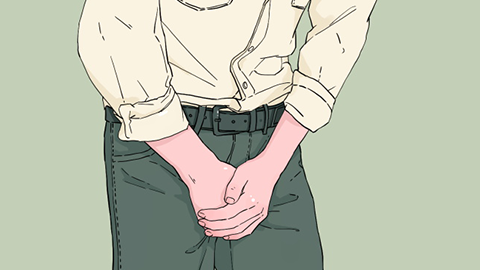
In early-stage scrotal tinea cruris, the lesion margins are sharply defined, with raised, erythematous plaques that gradually enlarge over time. Fine scaling is typically present on the surface. This condition is mainly caused by dermatophyte infection due to inadequate personal hygiene. By contrast, scrotal eczema commonly manifests as red papules and vesicles, which are prone to secondary infection, leading to pustules and purulent exudate.
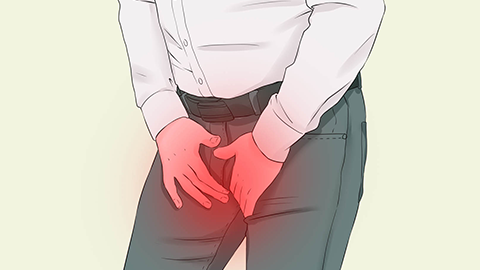
Because the scrotum is a highly sensitive area, hot water immersion should be avoided—even though some people mistakenly believe it helps relieve itching. Hot water can damage the skin’s natural protective barrier. Following an eczema flare-up, the skin becomes increasingly hypersensitive; foods previously tolerated may now trigger allergic reactions—including beef, lamb, fish, shellfish, seafood, spicy foods, and alcohol—all of which should be avoided. We hope this information proves helpful to you.


