


What are the specific symptoms of fissured eczema?

Fissured eczema, also known as palmoplantar keratotic fissured eczema, poses significant physical and psychological harm. What specific symptoms does fissured eczema present?
Specific Symptoms of Fissured Eczema
Fissured eczema primarily affects the palms and soles—and sometimes the fingers and heels—these being the most common sites. Clinically, it manifests as rough, dry, thickened skin, often accompanied by scaling; the scales tend to be relatively thick. During winter, when ambient humidity is low, painful fissures frequently develop. Fissured eczema generally falls under the category of chronic eczema, typically resulting from prolonged scratching or other adverse stimuli. Its predilection sites are the palms and soles.
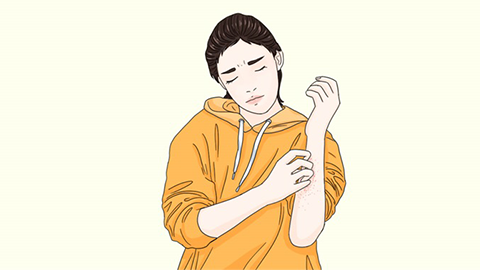
The hallmark features of fissured eczema include roughness, dryness, thickening, fissuring, and scaling of the skin. Some patients may additionally exhibit erythematous plaques and oozing. Intense pruritus is commonly present. This condition tends to persist chronically and may predispose to secondary infection. Typical manifestations include: • Skin roughness, dryness, and thickening: Primarily affecting the fingers, palms, and soles, with associated intense pruritus. • Skin fissuring and scaling: Excessive skin dryness leads directly to fissuring and desquamation.
Dietary adjustments are essential: avoid spicy, irritating foods and known allergens (e.g., alcohol and shellfish). A bland, mild diet is recommended. We hope this article proves helpful to you.


