


Causes of Herpes Simplex Virus

In daily life, some individuals fail to take adequate protective measures, leading to viral infection—specifically, herpes simplex virus (HSV) infection—which adversely affects physical health and causes significant distress. What are the causes of herpes simplex virus infection?
Causes of Herpes Simplex Virus Infection
Herpes simplex virus infection is caused by the herpes simplex virus itself. This virus typically enters the human body through the skin, mucous membranes, or respiratory tract, then establishes latency within normal human tissues. When immune function declines, the virus may reactivate suddenly—causing considerable clinical concern. HSV belongs to the human herpesvirus family; thus, humans are its sole natural host.
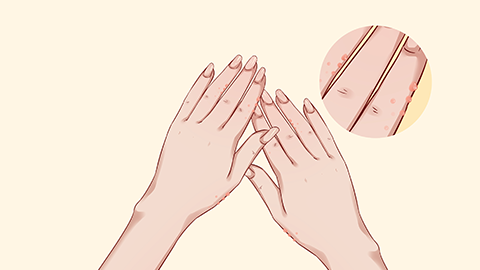
Herpes simplex virus belongs to the Alphaherpesvirinae subfamily of the Herpesviridae family and comprises two distinct types: herpes simplex virus type 1 (HSV-1) and herpes simplex virus type 2 (HSV-2). Infections caused by HSV-1 typically result in oral herpes, predominantly affecting areas above the waist—especially the face. In contrast, infections caused by HSV-2 lead to genital herpes, a sexually transmitted infection primarily involving regions below the waist, especially the male and female genitalia, and are prone to recurrence.
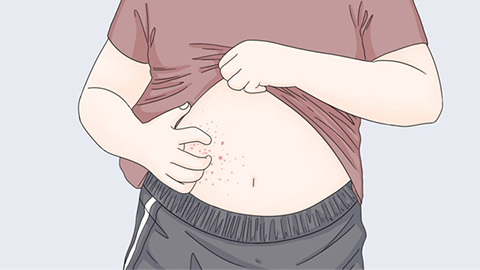
Patients should practice strict isolation to avoid transmitting the virus to family members or friends. After becoming ill, avoid rubbing the eyes with hands to prevent herpetic keratitis, which may lead to blindness. Also avoid touching the genital area to reduce the risk of developing genital herpes. Regular physical exercise helps enhance immunity and supports disease recovery. We hope this information proves helpful to you!


