


What are the adverse effects of consuming too many pine nuts?

Pine nuts are a nutrient-dense food. Consuming an appropriate amount daily can help enhance the body’s natural immunity. However, overconsumption should be avoided. What are the potential harms of eating too many pine nuts?
What Are the Harms of Eating Too Many Pine Nuts?
Excessive consumption of pine nuts may lead to obesity, gastrointestinal discomfort, and impaired skin barrier function. Although pine nuts are highly nutritious and beneficial when consumed in moderation, long-term overconsumption may contribute to obesity, digestive disturbances, compromised skin barrier integrity, and an increased risk of cardiovascular diseases.
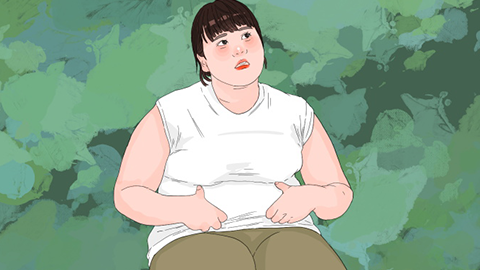
Pine nuts are rich in fat. If consumed excessively over a prolonged period without adequate physical activity to burn off the excess calories, this may result in excessive fat accumulation and subsequent weight gain or obesity. Additionally, pine nuts contain substantial amounts of dietary fiber; chronic overconsumption may irritate the gastrointestinal tract, leading to indigestion and, in severe cases, gastrointestinal dysfunction—manifesting as bloating, abdominal pain, and other discomforts. Due to their high oil content, excessive intake of pine nuts may also promote sebum production, resulting in oily skin that fosters bacterial growth and increases the risk of facial infections, including acne.
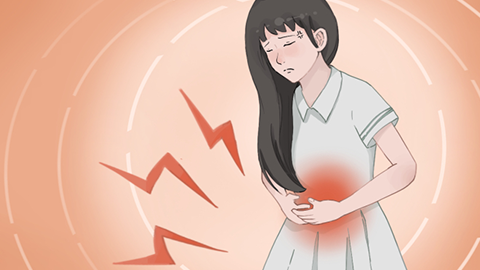
Although the fats in pine nuts are predominantly unsaturated fatty acids—which exert protective effects against cardiovascular disease—chronic overconsumption may still lead to systemic fat accumulation, thereby increasing the risk of hypertension, coronary artery disease, arteriosclerosis, and other cardiovascular conditions. We hope this information is helpful to you!


