


What are the risks of hand swelling during intravenous infusion?

In daily life, some patients experiencing common discomforts such as colds or coughs often opt for intravenous (IV) infusion to alleviate their symptoms. IV infusions are typically administered via injection into the skin of the hand. However, some patients develop hand swelling following IV therapy. What potential risks does hand swelling after IV infusion pose?
What Are the Risks of Hand Swelling After IV Infusion?
In certain cases, hand swelling caused by IV infusion is harmless; in others, it may pose more serious risks—largely depending on the volume and type of fluid that has leaked into surrounding tissues. If the infused solution is glucose solution, normal saline, or common antibiotics, the associated risk is generally low. Patients may experience only localized pain and mild swelling. Warm compresses may be applied, and some patients may benefit from adjunctive physical therapy. The leaked fluid is usually gradually absorbed by the body without adverse consequences.
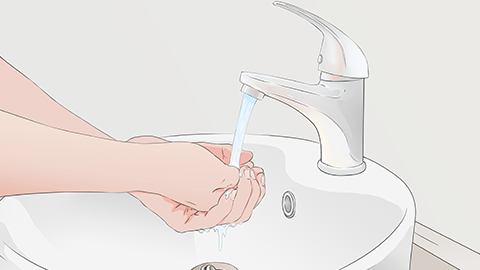
However, if a larger volume of fluid leaks out, it may cause significant local pain, necessitating prompt intervention—such as aspiration of the leaked fluid and application of local pressure dressings. Leakage of chemotherapeutic agents poses particularly high risks, potentially leading to local ischemia, tissue necrosis, or extensive ulceration; management must therefore be tailored to the specific clinical situation.
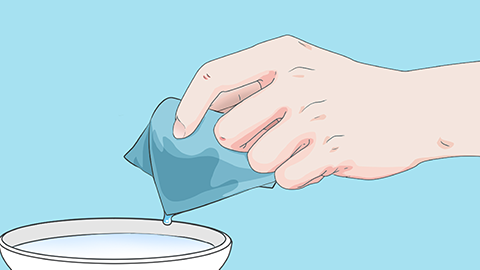
Patients undergoing IV therapy should closely monitor for signs of complications during infusion. After treatment, they should follow a light, bland diet and avoid spicy or irritating foods. Moderate exercise is also recommended to enhance immune function and overall resistance, thereby reducing the risk of illness. We hope this information is helpful to you!


