


What does it mean when nails have indentations?

In daily life, some patients develop indentations or depressions in their nails—a condition that, in severe cases, may impair normal work performance. However, many patients are unaware of the underlying causes of such nail indentations. So, what does nail indentation signify?
What Does Nail Indentation Indicate?
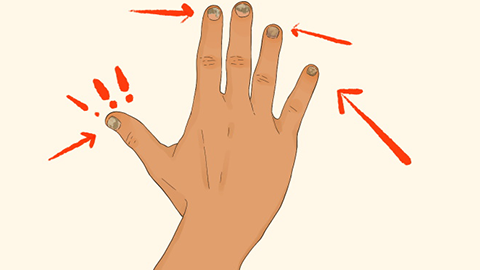
The most common cause of nail indentation is iron-deficiency anemia resulting from nutritional deficiencies, clinically termed “koilonychia” (spoon-shaped nails). Deficiencies in vitamin A, vitamin B complex, or calcium may also lead to nail indentation. Chronic hypoxemia—such as that associated with respiratory disorders including chronic bronchitis, emphysema, or bronchiectasis—can similarly cause nail indentation. Reduced blood oxygen saturation may likewise result in nail dystrophy. Nail indentation may also be accompanied by nail clubbing. Accurate diagnosis and treatment require identifying the underlying cause based on one’s overall health status, followed by appropriate diagnostic testing.
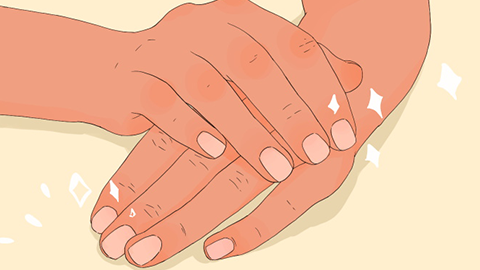
Nail indentation has numerous potential causes, and treatment strategies vary accordingly. First, trauma-induced nail indentation—characterized by subungual hematoma, nail bed necrosis, and subsequent indentation—requires administration of blood-activating and tissue-regenerating medications, along with routine nail care. Second, nail inflammation, suppuration, and indentation caused by fungal or bacterial infection necessitate antifungal therapy, such as itraconazole, terbinafine, or ketoconazole hydrochloride.
In daily life, proper nail care is essential; avoid exposure to irritants, as these hinder nail recovery. We hope this information proves helpful!


