


How large must a follicle generally be to mature and ovulate?

Female conception is an extremely complex process. Follicles must grow to a certain size before they can be successfully released. So, how large must a follicle typically be to mature and ovulate?
What size must a follicle typically reach to mature and ovulate?
Under normal circumstances, a woman’s follicle is considered mature when it reaches approximately 20 mm in diameter, after which ovulation occurs. However, the exact size at which ovulation occurs varies among individuals: some women ovulate when their follicles reach 15 mm, while others may not ovulate until follicles grow to 25 mm. Follicular development is a continuous process, and the normal mature follicle diameter generally ranges between 18 and 25 mm.
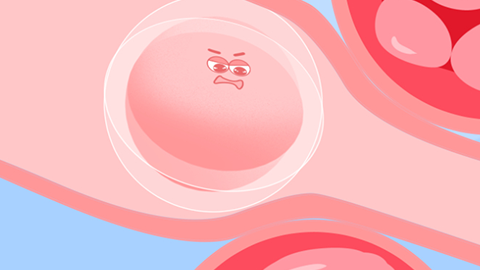
Once released, the egg (ovum) remains viable for 24–48 hours. Its fertilization capacity and vitality peak 6–24 hours post-ovulation. Following follicular maturation, hormonal fluctuations—particularly rising luteinizing hormone (LH) levels—and increased intrafollicular pressure cause the follicle to rupture and release the oocyte. The released egg travels to and awaits fertilization in the ampulla of the fallopian tube. After ovulation, the egg typically survives in the fallopian tube for 1–2 days, retaining its capacity for fertilization within this 48-hour window. For couples attempting conception, intercourse within 24 hours following ovulation is recommended, as this coincides with peak oocyte viability.

The probability of pregnancy is highest during the ovulatory period; therefore, women seeking conception are advised to time intercourse accordingly. After intercourse, close attention should be paid to bodily changes, and early pregnancy testing should be performed promptly. Upon confirmation of pregnancy, appropriate self-care measures must be taken. We hope this information has been helpful!


