


What Causes Xerotic Eczema?

During autumn and winter, skin often becomes dry, accompanied by noticeable pruritus (itching). Scratching leads to visible linear excoriations at the affected sites. It is important to recognize that this may not merely reflect simple xerosis (dry skin), but rather represent symptoms of asteatotic eczema—a common subtype of eczema. Although asteatotic eczema is generally less severe than other forms of eczema, it still warrants timely attention and appropriate management. So, what causes asteatotic eczema?
What Causes Asteatotic Eczema?
Asteatotic eczema is a prevalent form of eczema with marked seasonal variation, occurring most frequently during the dry autumn and winter months. Many patients have congenital xerosis—characterized by inherently low sebum production and reduced epidermal water content—and environmental factors further exacerbate this condition. Asteatotic eczema rarely occurs in isolation; rather, it typically develops secondary to pre-existing dermatological conditions.
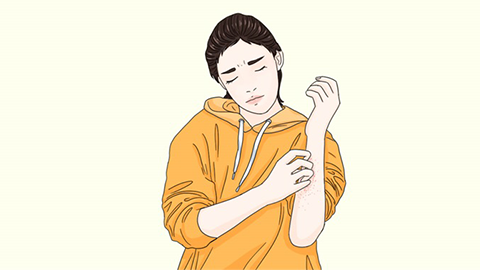
The high incidence of asteatotic eczema during autumn and winter is closely linked to inherent skin dryness and severe epidermal dehydration in susceptible individuals. Indoor heating systems—including air conditioning and underfloor heating—accelerate moisture evaporation from the air, thereby increasing the risk—particularly among children and older adults. Clinically, affected areas exhibit pronounced dryness and pruritus; scratching often results in erythematous patches and papules.
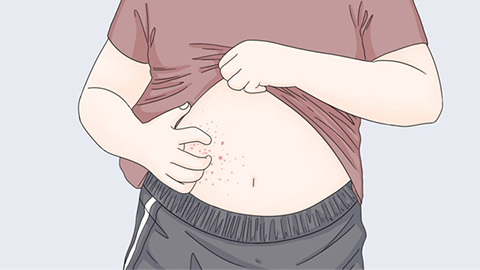
Asteatotic eczema seldom presents as a primary, isolated disorder. Instead, it commonly arises in the context of underlying dermatoses such as acne or psoriasis, where compromised skin barrier function contributes to both cutaneous dryness and the development of asteatotic eczema. We hope this information proves helpful!


