


What to Do About Winter Itch

During cold weather, some individuals experience skin itching. Prompt intervention is essential once itching occurs to prevent skin allergies. What should be done for winter pruritus?
Management of Winter Pruritus
Winter pruritus can be managed by applying moisturizing ointments locally or using topical anti-itch ointments. Drinking ample warm water also helps maintain skin hydration. Maintain regular skin cleansing, and wear soft, breathable undergarments in winter to keep the skin moisturized. Opt for loose-fitting, comfortable clothing to minimize friction. Adjust clothing layers according to ambient temperature fluctuations to avoid large variations in skin surface temperature. Replace tight undergarments with cotton fabrics, and avoid frequent use of cosmetics, which may irritate the skin.
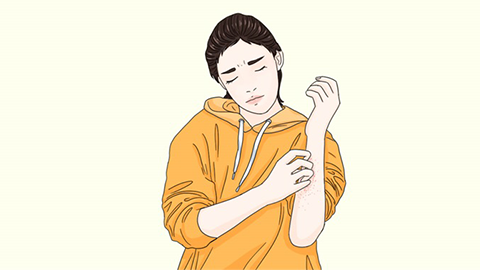
Winter pruritus typically does not resolve spontaneously, as it is a dermatological condition requiring identification of the underlying cause and targeted treatment. Additionally, daily lifestyle adjustments are crucial: consume foods rich in vitamins, avoid spicy or “heat-inducing” foods (e.g., lamb, beef, or alcohol), and abstain from smoking and drinking. Furthermore, bath water temperature should not be excessively hot, and vigorous scrubbing or scratching of the skin must be avoided to prevent injury.

For patients experiencing winter skin itching, increasing fluid intake—especially plain boiled water—is the most effective strategy. In winter, indoor heating (e.g., central heating or air conditioning) commonly leads to skin dehydration. Without timely rehydration, skin dryness worsens. During recovery, moderate physical exercise is recommended to enhance metabolic rate. We hope this information proves helpful!


