


What Should Be Noted in Scrotal Eczema?

Scrotal eczema is a common form of eczema, confined primarily to the scrotal skin. In some cases, it may extend to the perianal area, and rarely involve the penis. It can adversely affect physical health. So, what precautions should be taken for scrotal eczema?
Precautions for Scrotal Eczema
Scrotal eczema requires special attention, as the scrotal region is highly sensitive. Avoid scalding the area with hot water—some individuals mistakenly believe that hot-water application effectively relieves itching. However, hot water damages the skin’s protective barrier, thereby worsening both eczema and pruritus. Caution is also required when applying topical medications. Some preparations—such as tinctures—are alcohol-based, while others are oil-based. Neither formulation is suitable for use on the scrotum, as both can irritate this delicate area, exacerbating itching and eczema and worsening the overall condition.
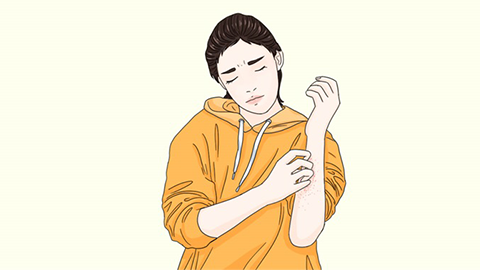
Scrotal eczema manifests in various clinical forms. Acute scrotal eczema presents with erythema, papules, vesicles, erosion, exudation, oozing, and crusting. Chronic scrotal eczema features lichenification and thickening of the skin, sometimes progressing to fissuring. When erythema is mild and there is only partial exudation, erosion, or lichenification, the condition is classified as subacute scrotal eczema. Pruritus is invariably present and may be accompanied by secondary bacterial infection, potentially resulting in purulent discharge. The duration of treatment varies—recovery may be relatively rapid or prolonged. Nocturnal pruritus significantly impairs quality of life.
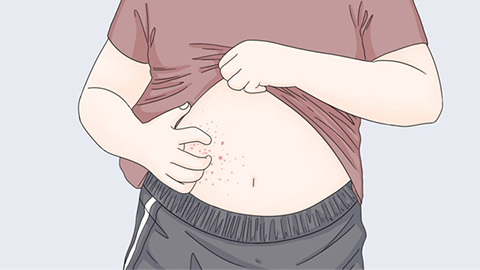
Dietary considerations are essential. Following the onset of eczema, skin sensitivity increases, rendering previously tolerated foods potential allergens—including beef, lamb, seafood, spicy foods, and alcoholic beverages—which should therefore be avoided. We hope this information proves helpful. Wishing you good health and a joyful life!


