


What should I do if my feet are very dry and cracked?

Due to relatively dry climate, the skin also becomes very dry; dryness can easily cause symptoms such as itching. This may have certain effects on the body. So, what should you do if your feet are extremely dry and cracked?
What to Do for Extremely Dry and Cracked Feet
Dry, cracked skin on the feet requires targeted treatment depending on the underlying cause. Specific causes include the following:
1. Fungal infection: Localized fungal infection (e.g., tinea pedis) can lead to dry, cracked skin. Antifungal therapy is required—oral agents such as terbinafine or itraconazole, or topical antifungals like clotrimazole or miconazole—to eradicate the fungus and achieve lasting improvement.
2. Dermatitis or eczema: Chronic dermatitis or eczema of the feet may cause dryness and cracking. It is essential to identify and eliminate potential triggers. When necessary, high-potency topical corticosteroids may be prescribed to reduce inflammation and allergic reactions, thereby improving dryness and fissuring.
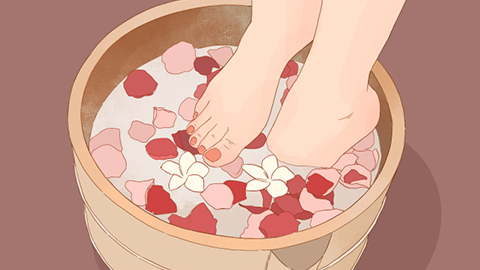
3. Simple foot fissures: These primarily result from reduced sweating. Inadequate use of moisturizing foot care products leads to decreased skin hydration, loss of elasticity, and subsequent cracking. We recommend enhancing local skin care—especially soaking feet in warm water each evening.
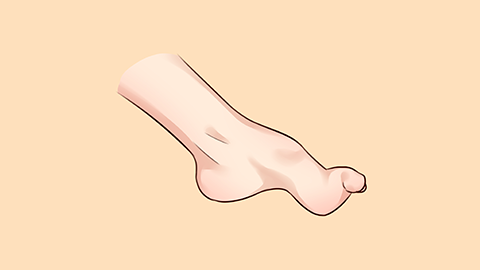
Plantar fissures (cracks on the soles) often develop secondary to chronic eczema affecting the feet—particularly the soles—leading to localized thickening of the skin. Hyperkeratosis (excessive thickening of the stratum corneum) results in thickening of both the granular layer and epidermis, impairing the normal secretion of sweat and sebum from underlying glands. Consequently, skin nutrition deteriorates, leading to localized dryness.
We hope this response has been helpful. Wishing you good health and a joyful life!


