


Six Key Precautions After Herpes Zoster in Older Adults

Herpes zoster (shingles) is one of the most common viral infectious diseases encountered in daily life and can occur at any age. Notably, elderly individuals with compromised immunity are at particularly high risk. Shingles poses significant health risks to older adults; therefore, prompt medical treatment and appropriate daily care are essential for affected patients. What are the six key considerations for elderly patients recovering from herpes zoster?
Six Key Considerations for Elderly Patients Recovering from Herpes Zoster
1. Elderly individuals who develop herpes zoster—a persistent and stubborn condition—should ensure adequate ventilation in their living environment. They should regularly open windows to maintain fresh indoor air circulation and avoid crowded places.
2. Elderly patients may consider prophylactic use of herbal remedies such as Isatis root (Ban Lan Gen). Additionally, regular physical activity is highly recommended for maintaining overall health.
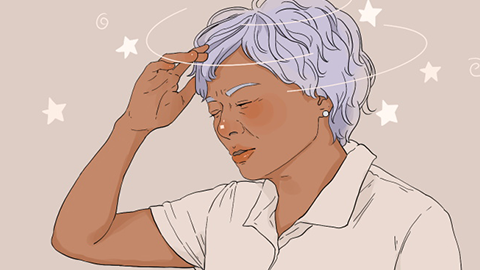
3. Adopting a healthy diet is among the most effective preventive strategies against herpes zoster. Patients should consume nutritionally balanced meals, emphasizing fresh vegetables and fruits while avoiding starchy foods, sugary items, and highly irritating foods. Meals should be easily digestible, and adequate hydration must be maintained. Fatty or greasy foods should be avoided, as should foods known to increase skin sensitivity.
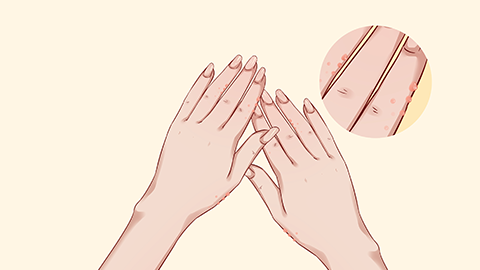
4. Patients should avoid excessive anxiety and strive to maintain an optimistic, relaxed mindset. Sufficient rest is crucial during recovery.
5. Elderly patients require careful management of pain associated with herpes zoster and should proactively adopt appropriate pain-relief measures.
6. Even after complete resolution of skin lesions, some patients continue to experience postherpetic neuralgia (PHN). In such cases, multimodal therapies—including acupuncture and physical therapy—may be employed to alleviate pain.
Hope this information proves helpful!


