


What Causes Shingles?

Herpes zoster (shingles) is a very common dermatological condition. Its incidence is currently high, and severe cases can significantly impair patients’ future work and daily life. Therefore, gaining a better understanding of the causes of herpes zoster in daily life is highly beneficial for disease prevention and management. What causes herpes zoster?
What Causes Herpes Zoster?
The fundamental cause of herpes zoster is infection with the varicella-zoster virus (VZV). Following infection, the virus triggers inflammation of a specific peripheral nerve, resulting in clusters of papules and vesicles distributed unilaterally along a dermatomal band—often accompanied by neuropathic pain. While the underlying mechanism involves viral-induced nerve inflammation, precipitating factors include sleep deprivation, excessive fatigue, overconsumption of alcohol or tobacco, and general decline in physical health. Thus, regular exercise, maintaining robust physical fitness, and bolstering immune function are essential to prevent immune suppression and reduce the risk of developing herpes zoster.
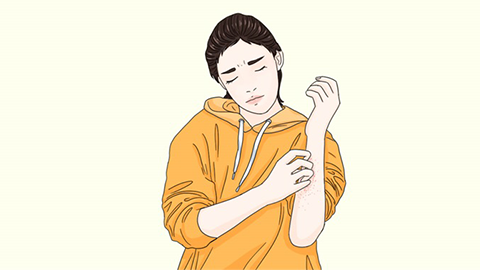
Varicella (chickenpox) is a cutaneous disease caused by primary infection with the varicella-zoster virus. Initial infection may manifest as classic chickenpox or occur asymptomatically (subclinical infection), with the virus remaining latent in dorsal root ganglia for months or even years. When host immunity declines, the dormant virus reactivates, leading to herpes zoster. Clinical manifestations fall into two categories: subjective symptoms and objective signs. Subjective symptoms typically begin with a burning sensation or pruritus at the affected site, progressing to distinct neuropathic pain. Objective signs include the appearance of papules and papulovesicles on the skin surface, which evolve into vesicles; in severe cases, hemorrhagic or large bullae may develop. Lesions remain discrete and do not coalesce, following a characteristic dermatomal, band-like distribution.
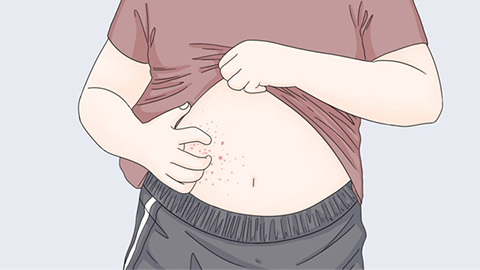
Therefore, proper local care—including keeping the affected area clean and dry—is crucial. We hope this information proves helpful to you!


