


What medication should I take for herpes?

Herpes is a relatively common condition in daily life. Severe herpes outbreaks can significantly disrupt normal family life and daily activities. Most patients typically opt for medication to alleviate symptoms. So, what medications should be taken for herpes?
What Medications Should Be Taken for Herpes?
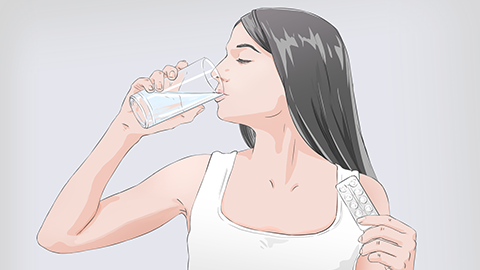
Oral antiviral drugs—such as famciclovir and acyclovir—are commonly prescribed. Topical antiviral ointments may also be used. Additionally, under a physician’s guidance, herbal preparations such as Isatis Root Granules (Ban Lan Gen Ke Li) and Yiqing Granules may be administered. If symptoms persist despite medication, further evaluation at a hospital is recommended.
Herpes is a relatively common dermatological condition, primarily caused by two factors: viral upper respiratory infections (e.g., “cold sores”) or direct viral infection. The underlying cause must be determined based on clinical presentation. Once diagnosed as herpes, prompt treatment is essential; delays not only jeopardize the patient’s health but also increase the risk of transmission to others.

Symptoms experienced by herpes patients vary depending on the type of lesion. In cases of herpes simplex—including oral (cold sores), facial, or genital herpes—patients commonly develop erythematous patches and papules on the face, oral mucosa, perineum, or even more widely across the body; these lesions often progress to vesicles that subsequently rupture. Intense pruritus may also occur. In herpes zoster (shingles), vesicles or papules typically appear within dermatomes innervated by intercostal or lumbosacral nerves. Additionally, patients may experience systemic symptoms such as low-grade fever, malaise, and decreased appetite. We hope this information proves helpful!


