


What Causes Night Sweats in Pregnant Women?

Some individuals tend to sweat more during pregnancy, which can significantly disrupt their daily lives and cause considerable discomfort. So, what causes excessive sweating during sleep in pregnant women?
What Causes Night Sweats in Pregnant Women?
Night sweats in pregnant women—without accompanying physical symptoms—are generally normal and not a cause for excessive concern. This phenomenon occurs because estrogen levels rise during pregnancy, stimulating adrenal cortical activity. Additionally, basal metabolic rate increases, and cutaneous blood flow accelerates, leading to increased perspiration. If heavy sweating severely impairs sleep quality, pregnant women are advised to wear loose-fitting clothing to facilitate heat dissipation. Ensuring adequate rest helps maintain energy levels and promotes overall well-being and mental vitality.
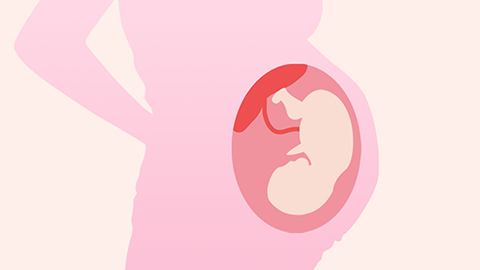
Sleep posture requires special attention during late pregnancy. Side-lying is recommended—with left-side lying being optimal. The leg resting against the bed should remain slightly bent, while the abdomen rests comfortably against the mattress, enhancing a sense of security. For pregnant women who frequently experience foot edema, lying down helps relax the feet, thereby improving circulation and reducing fatigue. Prone (face-down) and supine (flat-on-back) sleeping positions should be avoided in late pregnancy. Prone sleeping may compress the fetus, posing risks to both mother and baby. Supine sleeping allows the enlarged uterus to exert pressure on major blood vessels, potentially causing maternal hypotension and placental abruption.

Additionally, if any concerning symptoms arise, prompt medical evaluation is advised. Appropriate management should always be conducted under the guidance of a healthcare professional. We hope this information proves helpful!


