


What causes a short Achilles tendon?

In daily life, some parents notice their child walking on tiptoes. After visiting a hospital for evaluation, they are told the child has a “short Achilles tendon,” yet many parents remain confused about the underlying cause. What causes a short Achilles tendon?
What Causes a Short Achilles Tendon?
A short Achilles tendon may result from developmental abnormalities, post-traumatic scar contracture at the local site, or prolonged immobilization and disuse following a severe ankle injury. If the shortening is mild, it typically does not significantly impair normal dorsiflexion and plantarflexion of the ankle joint. In such cases, frequent warm baths and appropriate physical exercise may be beneficial. However, if the shortening is pronounced, further evaluation—including magnetic resonance imaging (MRI) of the affected area—is recommended to assess for conditions such as Achilles tendinosis or thickening. Surgical intervention may be considered, followed by diligent postoperative rehabilitation to optimize functional recovery.

Achilles tendon shortening most commonly arises from Achilles tendon contracture, often associated with prolonged non–weight-bearing activity—such as occurs after lower-limb fractures. This leads to disuse atrophy of the calf muscles. Once atrophy develops, it can subsequently trigger contracture and shortening of the Achilles tendon.
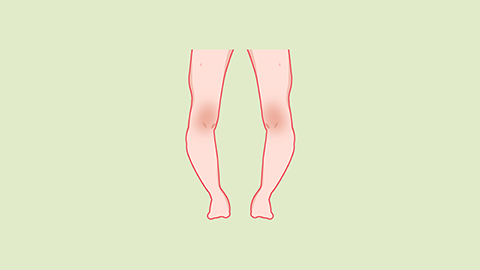
Trauma—particularly post-traumatic adhesions between the Achilles tendon and surrounding soft tissues—can also lead to tendon shortening and restricted ankle dorsiflexion and plantarflexion. Additionally, Achilles tendinitis—often related to overuse or cold exposure—can cause sterile inflammatory changes at the tendon insertion site, resulting in marked edema and perceived shortening during activity. We hope this explanation helps clarify your concerns!


